

Hey there, paper - making enthusiasts! If you're into the art of paper - making, you've probably heard about using a glass rod at some point. Well, you're in luck because I'm a glass rod supplier, and today I'm going to walk you through how to use a glass rod in paper - making.
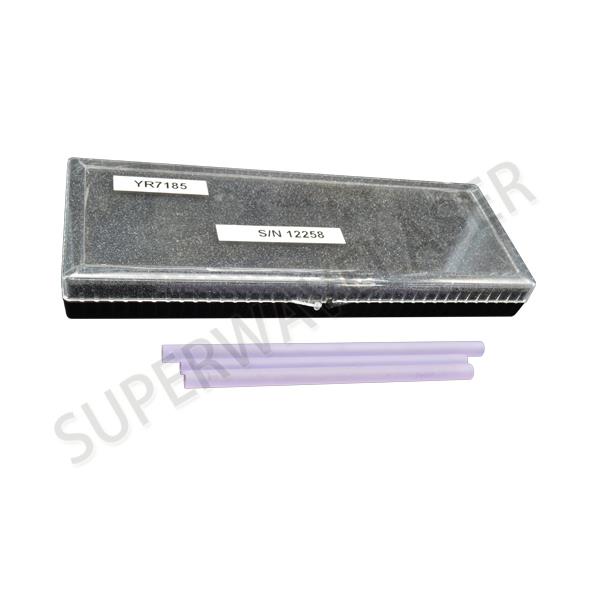
First things first, let's talk about why a glass rod is useful in the paper - making process. A glass rod is a simple yet versatile tool. It's smooth, non - reactive, and easy to clean, making it perfect for a variety of tasks in paper - making.
Preparing the Glass Rod
Before you start using your glass rod, it's important to make sure it's clean. Wash it with warm, soapy water and rinse it thoroughly. You don't want any dirt or debris getting into your paper pulp. Once it's clean, dry it with a soft cloth. A clean glass rod ensures that your paper - making process goes smoothly and that your final product is of high quality.
Using the Glass Rod in Pulp Preparation
When you're making paper, you start with pulp. This is a mixture of fibers, usually from wood, cotton, or other plant materials, and water. The glass rod comes in handy here for stirring the pulp. You can gently stir the pulp in the vat to make sure the fibers are evenly distributed. This is crucial because an uneven distribution of fibers can lead to a paper that is weak in some areas and thick in others.
Just dip the glass rod into the pulp and start stirring in a circular motion. You don't need to stir too vigorously; a gentle motion will do the trick. The smooth surface of the glass rod won't damage the delicate pulp fibers, which is a big plus.
Removing Air Bubbles
Another important use of the glass rod is to remove air bubbles from the pulp. Air bubbles can create small holes in your paper, which can affect its appearance and strength. After you've poured the pulp onto the paper - making screen, run the glass rod gently over the surface of the pulp.
The glass rod will break the surface tension of the water in the pulp and allow the air bubbles to escape. Move the rod slowly and steadily across the pulp, making sure to cover the entire surface. You'll notice the air bubbles popping and the surface of the pulp becoming smoother.
Spreading and Leveling
Once you've removed the air bubbles, the glass rod can be used to spread and level the pulp evenly on the screen. Hold the glass rod at a slight angle and use it to push the pulp around. You can create a more uniform thickness by applying a bit of pressure as you move the rod across the screen.
This step is essential for creating a smooth and consistent sheet of paper. If the pulp is too thick in some areas and too thin in others, your final paper will have an uneven texture. So take your time and use the glass rod to get the pulp just right.
Pressing and Drying
After the pulp is spread and leveled, you'll need to press and dry the paper. The glass rod can also assist in this process. You can use it to gently press the paper against the felt or blotting paper to remove excess water.
Place the glass rod on top of the paper and roll it back and forth. This will help squeeze out the water and make the paper more compact. Once you've removed as much water as possible, you can leave the paper to dry. The glass rod has played its part in getting the paper to this stage.
Advantages of Using Our Glass Rods
As a glass rod supplier, I'm proud to say that our glass rods are made from high - quality materials. They're durable, which means they can withstand repeated use in the paper - making process. The smooth finish of our glass rods ensures that they don't scratch or damage the delicate pulp fibers.
We also offer a variety of sizes to suit different paper - making needs. Whether you're making small, handmade papers or large sheets for commercial use, we have a glass rod that will work for you. And if you're interested in other related products, check out Laser Crystal.
Maintenance of the Glass Rod
To keep your glass rod in good condition, it's important to clean it after each use. As I mentioned earlier, just wash it with warm, soapy water and dry it thoroughly. Avoid using abrasive cleaners, as they can scratch the surface of the glass.
Store the glass rod in a safe place where it won't get knocked around or damaged. You can wrap it in a soft cloth or place it in a protective case. With proper maintenance, your glass rod will last for a long time and continue to be a valuable tool in your paper - making endeavors.
Conclusion
Using a glass rod in paper - making can significantly improve the quality of your paper. From pulp preparation to pressing and drying, the glass rod is a versatile and essential tool. As a glass rod supplier, I'm here to provide you with the best glass rods for your paper - making needs.
If you're interested in purchasing our glass rods or have any questions about using them in your paper - making projects, don't hesitate to reach out. Let's start a conversation about how we can help you take your paper - making to the next level.
References
- Smith, A. (2018). The Art of Paper - Making. Paper Press.
- Johnson, B. (2020). Tools for Traditional Paper - Making. Craft Books.


