Hey there! I'm a supplier of CO2 lasers, and I know how confusing it can be to choose the right one. There are so many factors to consider, and it's easy to get overwhelmed. But don't worry, I'm here to help! In this blog post, I'll walk you through everything you need to know about choosing a CO2 laser, from the basics to the more advanced features.
Understanding CO2 Lasers
First things first, let's talk about what CO2 lasers are and how they work. CO2 lasers are a type of gas laser that use carbon dioxide gas as the lasing medium. They produce a beam of infrared light that can be used for a variety of applications, including cutting, engraving, and marking.
One of the main advantages of CO2 lasers is their versatility. They can be used on a wide range of materials, including wood, acrylic, glass, leather, and paper. They're also relatively easy to operate and maintain, making them a popular choice for both small businesses and large manufacturers.
Factors to Consider When Choosing a CO2 Laser
Now that you have a basic understanding of CO2 lasers, let's talk about the factors you should consider when choosing one. Here are some of the most important things to keep in mind:
Power
The power of a CO2 laser is measured in watts, and it determines how quickly and effectively the laser can cut or engrave materials. Generally speaking, the higher the power, the faster the laser can work. However, higher power lasers also tend to be more expensive and require more energy to operate.
When choosing a CO2 laser, you'll need to consider the type of materials you'll be working with and the thickness of those materials. If you're working with thin materials, a lower power laser may be sufficient. But if you're working with thicker materials, you'll need a higher power laser to get the job done.
Wavelength
The wavelength of a CO2 laser is another important factor to consider. CO2 lasers typically operate at a wavelength of 10.6 micrometers, which is in the infrared range. This wavelength is absorbed by many materials, making it ideal for cutting and engraving.
However, some materials may require a different wavelength to achieve the best results. For example, some plastics may require a shorter wavelength laser to cut or engrave effectively. When choosing a CO2 laser, make sure to consider the materials you'll be working with and choose a laser with the appropriate wavelength.
Beam Quality
The beam quality of a CO2 laser refers to how focused and uniform the laser beam is. A high-quality beam will be more precise and produce cleaner cuts and engravings. When choosing a CO2 laser, look for a laser with a high beam quality rating.
Pulse Frequency
The pulse frequency of a CO2 laser refers to how often the laser emits a pulse of light. A higher pulse frequency can result in faster cutting and engraving speeds, but it can also increase the risk of heat damage to the material. When choosing a CO2 laser, consider the pulse frequency and how it will affect your specific application.
Cooling System
CO2 lasers generate a lot of heat, so it's important to have a good cooling system in place to prevent the laser from overheating. There are two main types of cooling systems: air cooling and water cooling.
Air cooling is the simplest and most cost-effective option, but it may not be sufficient for high-power lasers. Water cooling is more effective at removing heat, but it requires a more complex setup and can be more expensive. When choosing a CO2 laser, consider the cooling system and how it will affect your specific application.

Types of CO2 Lasers
There are several different types of CO2 lasers available on the market, each with its own unique features and benefits. Here are some of the most common types of CO2 lasers:
Sealed CO2 Lasers
Sealed CO2 lasers are the most common type of CO2 laser. They're relatively small and compact, making them ideal for small businesses and home workshops. Sealed CO2 lasers are also relatively easy to operate and maintain, and they typically have a long lifespan.
RF-Excited CO2 Lasers
RF-excited CO2 lasers are a more advanced type of CO2 laser. They use radio frequency energy to excite the CO2 gas, which results in a more stable and efficient laser beam. RF-excited CO2 lasers are typically more expensive than sealed CO2 lasers, but they offer better performance and longer lifespan.
Diffusion-Cooled CO2 Lasers
Diffusion-cooled CO2 lasers are a type of RF-excited CO2 laser that use a diffusion cooling system to remove heat from the laser. Diffusion-cooled CO2 lasers are typically more compact and energy-efficient than other types of CO2 lasers, making them ideal for applications where space and energy consumption are a concern.
Applications of CO2 Lasers
CO2 lasers are used in a wide range of applications, including:
Cutting
CO2 lasers are commonly used for cutting a variety of materials, including wood, acrylic, glass, leather, and paper. They can cut through thick materials quickly and accurately, making them ideal for industrial applications.
Engraving
CO2 lasers are also commonly used for engraving. They can engrave a variety of materials, including wood, acrylic, glass, leather, and paper. CO2 lasers can produce high-quality engravings with fine details, making them ideal for personalized gifts and promotional items.
Marking
CO2 lasers are also used for marking a variety of materials, including plastics, metals, and ceramics. They can produce permanent marks that are resistant to wear and tear, making them ideal for industrial applications.
Where to Buy a CO2 Laser
If you're in the market for a CO2 laser, there are several places you can buy one. Here are some of the most common places to buy a CO2 laser:
Online Retailers
There are many online retailers that sell CO2 lasers. These retailers typically offer a wide range of lasers at competitive prices. However, it's important to do your research and make sure you're buying from a reputable retailer.
Laser Manufacturers
Many laser manufacturers sell CO2 lasers directly to customers. This can be a good option if you're looking for a high-quality laser with specific features and specifications. However, laser manufacturers typically have higher prices than online retailers.
Laser Distributors
Laser distributors are companies that specialize in selling lasers and laser accessories. They typically have a wide range of lasers available at competitive prices. Laser distributors can also provide technical support and training to help you get the most out of your laser.
Conclusion
Choosing the right CO2 laser can be a challenging task, but it doesn't have to be. By considering the factors we've discussed in this blog post, you can make an informed decision and choose a laser that meets your specific needs and budget.
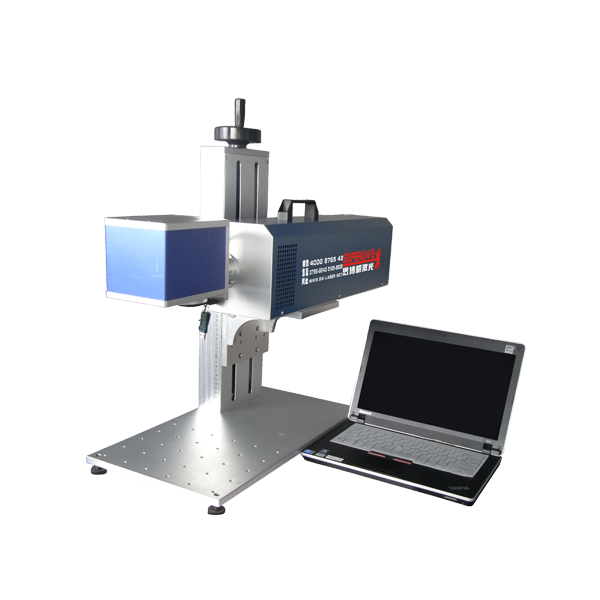
If you're interested in learning more about CO2 lasers or if you're ready to purchase a laser, please don't hesitate to contact us. We're a leading supplier of CO2 lasers, and we're here to help you find the right laser for your application. You can check out our Portable CO2 Laser Marking Machine and CO2 Laser Marking Machine For Non-metals on our website. Let's start a conversation about your requirements and see how we can assist you in your laser needs.
References
- "CO2 Lasers: Principles and Applications" by John C. Diels and Wolfgang Rudolph
- "Laser Cutting and Engraving Handbook" by Christopher P. Eppich
- "The Laser Guidebook" by Jeff Hecht