As a supplier of the F - 160, I'm super stoked to break down how the autopilot system of this amazing machine functions. It's like having a co - pilot that never gets tired or distracted, making flights safer and more efficient.
Let's start with the basics. The F - 160's autopilot system is a complex web of sensors, computers, and actuators that work in harmony to control the aircraft's flight path. At the heart of it all are the sensors. These bad boys are constantly gathering data about the aircraft's position, speed, altitude, and attitude. They're like the eyes and ears of the autopilot, providing it with all the info it needs to make smart decisions.
One of the key sensors is the inertial measurement unit (IMU). This thing is like a super - accurate gyroscope and accelerometer all in one. It measures the aircraft's angular rate and linear acceleration, which helps the autopilot figure out which way the plane is pointing and how fast it's moving. With this data, the autopilot can make precise adjustments to keep the plane on course.
Another important sensor is the GPS receiver. It gives the autopilot the exact position of the aircraft on the Earth's surface. This is crucial for navigation, especially when flying long distances or in areas with limited visual references. The GPS data is combined with the IMU data to create a comprehensive picture of the aircraft's position and movement.
Once the sensors have gathered all the necessary data, it's time for the computers to step in. The autopilot's computer processes the sensor data and uses sophisticated algorithms to calculate the optimal flight path. It takes into account factors like wind speed, air traffic, and the aircraft's performance capabilities. Based on these calculations, the computer sends commands to the actuators.
The actuators are the muscle of the autopilot system. They're responsible for moving the control surfaces of the aircraft, such as the ailerons, elevators, and rudder. By adjusting these control surfaces, the autopilot can change the aircraft's attitude, speed, and direction. For example, if the autopilot determines that the plane needs to climb, it will send a signal to the elevators to pitch the nose up.
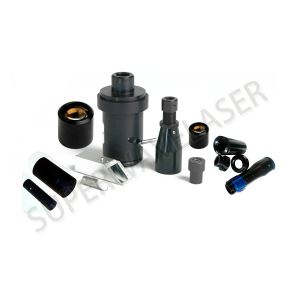
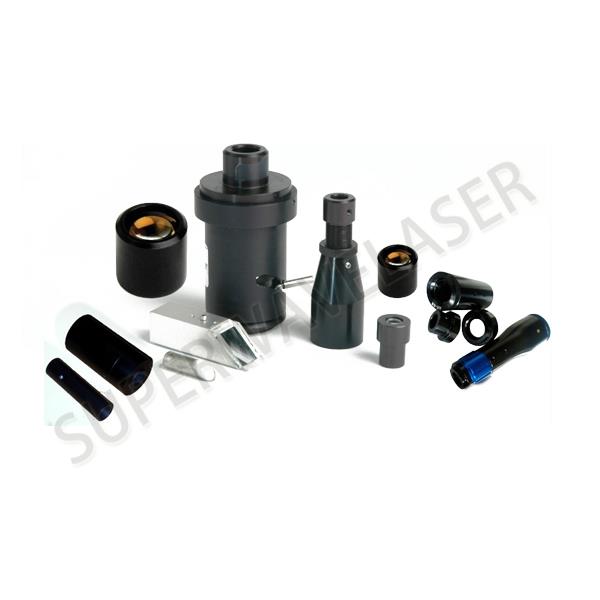
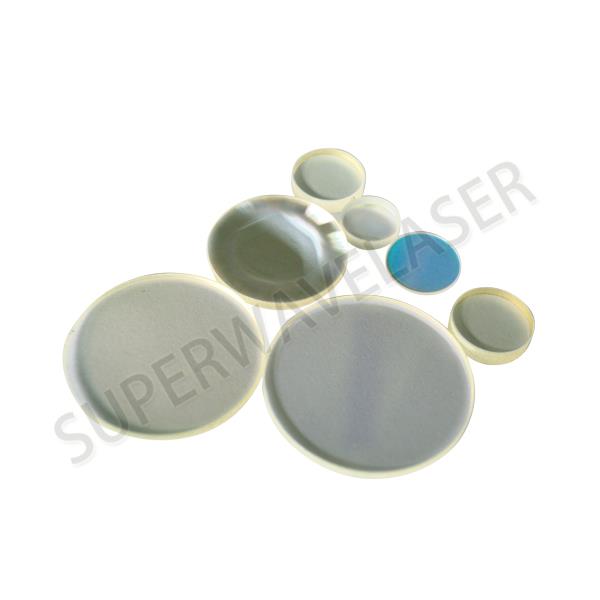
Now, let's talk about some of the components that play a role in the overall system and are part of our offerings as a supplier. The Collimating Lens is an essential part. It helps in the alignment of laser beams, which are used in some of the advanced sensors on the F - 160. These sensors rely on precise laser measurements to gather data about the aircraft's surroundings.
The Laser Optical Mirror is another crucial component. It reflects and redirects laser beams, allowing for more accurate and efficient data collection. These mirrors are designed to be highly reflective and durable, ensuring that the laser systems on the F - 160 work properly.
The Laser Beam Expender is also important. It expands the laser beam, which can increase the range and accuracy of the sensors. This is especially useful when the aircraft is flying at high altitudes or in areas where long - range sensing is required.
The F - 160's autopilot system also has different modes of operation. The most basic mode is the altitude hold mode. In this mode, the autopilot maintains a constant altitude by adjusting the elevator control surface. If the plane starts to climb or descend, the autopilot will make the necessary corrections to keep it at the desired altitude.
Another common mode is the heading hold mode. In this mode, the autopilot keeps the aircraft flying in a specific direction. It uses the compass and other sensors to determine the aircraft's heading and makes adjustments to the rudder to keep it on course.
There's also the navigation mode, which is used for long - distance flights. In this mode, the autopilot follows a pre - programmed flight plan. It uses the GPS data to navigate from one waypoint to another, making sure the aircraft stays on the correct route.
The autopilot system on the F - 160 also has safety features built in. For example, it has a fail - safe mechanism that kicks in if there's a problem with the system. If a sensor fails or the computer malfunctions, the autopilot will switch to a backup mode or alert the pilot. This ensures that the aircraft remains safe even in the event of a system failure.
In addition to the basic functions, the F - 160's autopilot system can also be integrated with other systems on the aircraft, such as the avionics and the engine control system. This allows for a more seamless and efficient operation. For example, the autopilot can communicate with the engine control system to adjust the throttle based on the flight conditions, optimizing fuel consumption and performance.
Overall, the F - 160's autopilot system is a remarkable piece of technology. It takes the stress out of flying and allows pilots to focus on other important tasks. Whether it's a short domestic flight or a long - haul international journey, the autopilot system ensures a smooth and safe flight.
If you're in the market for F - 160 components or are interested in learning more about our products, we'd love to hear from you. Our team of experts is ready to assist you with all your procurement needs. We can provide you with detailed information about the components, their specifications, and how they fit into the overall F - 160 system. So, don't hesitate to reach out and start a conversation about how we can work together to meet your requirements.
References
- Aviation Technology Handbook
- Aircraft Autopilot Systems Manual