

As a supplier of the F254 product, I've often been asked whether the F254 can be used in high - altitude areas. This is a question that combines technological considerations and practical usage scenarios. In this blog, I'll delve into the various aspects of using the F254 in high - altitude environments, exploring its feasibility, potential challenges, and solutions.
Understanding the F254
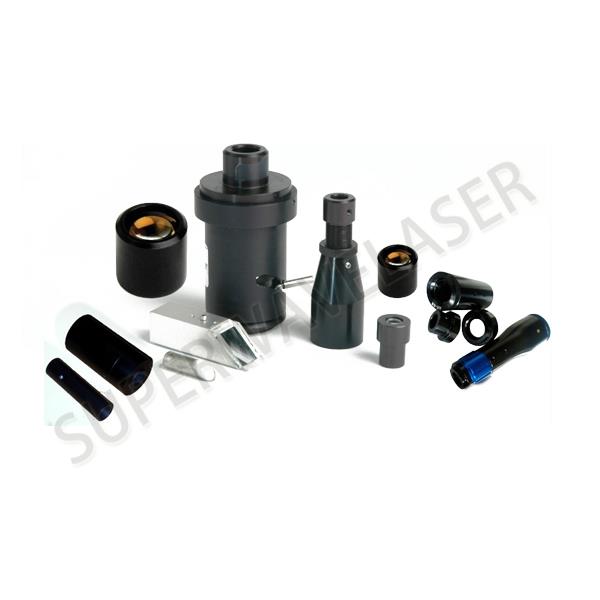
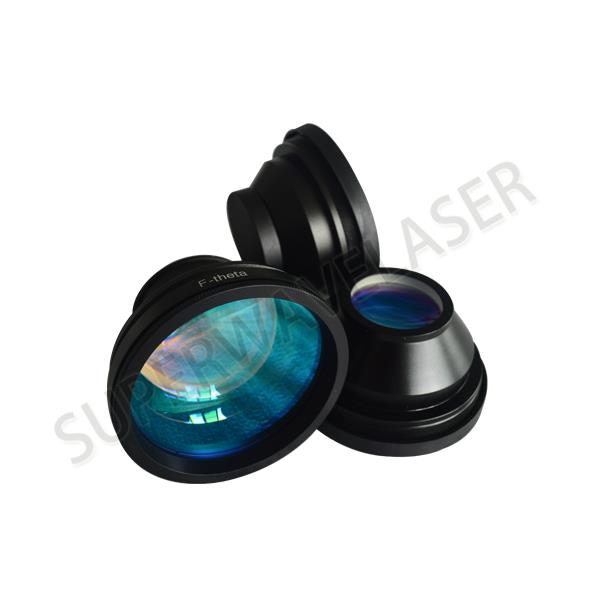
The F254 is a remarkable product that has found its way into a wide range of applications. It is known for its high - precision performance and reliability in normal environmental conditions. Before we discuss its suitability for high - altitude areas, let's briefly understand its basic functions. The F254 is a key component in many laser - related systems. It plays a crucial role in laser beam control and manipulation. For instance, it can be paired with F - theta Lens, which is designed to focus the laser beam into a flat field, enabling precise laser processing such as laser marking and engraving.
High - Altitude Environment Characteristics
High - altitude areas have distinct environmental characteristics that can potentially affect the performance of the F254. The most significant factors include lower air pressure, lower oxygen levels, and more extreme temperature variations.
Air Pressure
As altitude increases, air pressure decreases. This reduction in air pressure can have a direct impact on the F254. For example, in some laser systems, the F254 might be part of a sealed environment. A significant drop in external air pressure may cause pressure differentials between the inside and outside of the device. This could potentially lead to issues such as air leakage or deformation of components if the device is not properly designed to withstand such pressure changes.
Oxygen Levels
Lower oxygen levels at high altitudes can also be a concern. In some laser applications, oxygen is involved in certain chemical reactions or plays a role in cooling processes. Insufficient oxygen may affect the efficiency of these processes. For example, in some laser cutting operations, oxygen is used as an assist gas to enhance the cutting process. A lack of oxygen at high altitudes could lead to slower cutting speeds or lower - quality cuts.
Temperature Variations
High - altitude areas often experience more extreme temperature variations. During the day, the sun can heat up the environment significantly, while at night, temperatures can drop to very low levels. These large temperature swings can cause thermal expansion and contraction of the F254's components. If the materials used in the F254 are not thermally stable, it could lead to mechanical stress, misalignment of optical components, and ultimately, a decline in performance.
Technical Adaptations for High - Altitude Use
To make the F254 suitable for high - altitude areas, several technical adaptations can be made.
Pressure - Resistant Design
The F254 can be designed with a more robust and pressure - resistant enclosure. This enclosure should be able to withstand the pressure differentials between the inside and outside of the device. Special seals and gaskets can be used to prevent air leakage. Additionally, the internal components can be designed to be more flexible to adapt to the pressure changes without being damaged.
Oxygen - Independent Operation
To address the issue of low oxygen levels, the F254 can be designed to operate independently of oxygen. For example, in laser systems, alternative assist gases can be used instead of oxygen. This not only ensures the normal operation of the laser process but also reduces the dependence on the local oxygen supply.
Thermal Management
Effective thermal management is crucial for the F254 in high - altitude areas. Heat sinks and cooling systems can be optimized to handle the large temperature variations. For instance, using materials with high thermal conductivity can help dissipate heat more efficiently during the hot daytime. Insulation materials can be used to protect the device from the cold at night.
Case Studies
Let's look at some real - world case studies to understand how the F254 has been used in high - altitude areas.
In a high - altitude laser marking project in a mountainous region, the F254 was initially faced with some challenges. The low air pressure caused some minor air leakage in the device, and the large temperature variations led to a slight misalignment of the optical components. However, after implementing the above - mentioned technical adaptations, such as improving the pressure - resistant design and enhancing the thermal management system, the F254 was able to operate stably. The laser marking quality was maintained at a high level, and the overall performance of the system was satisfactory.
Compatibility with Other Laser Components
The F254 is often used in conjunction with other laser components such as Laser Beam Expender and Laser Optical Mirror. When considering its use in high - altitude areas, the compatibility of these components also needs to be taken into account.
The Laser Beam Expender is used to expand the laser beam diameter, which is important for many laser applications. In high - altitude areas, the performance of the Laser Beam Expender may also be affected by the environmental factors. Similar to the F254, it may require adaptations such as pressure - resistant design and thermal management.
The Laser Optical Mirror is used to reflect and direct the laser beam. The mirror's performance can be influenced by the temperature and pressure changes at high altitudes. For example, thermal expansion may cause the mirror to deform, affecting the accuracy of the laser beam direction. Therefore, ensuring the compatibility and proper functioning of all these components in high - altitude environments is essential for the overall performance of the laser system.
Conclusion
In conclusion, the F254 can be used in high - altitude areas with proper technical adaptations. By addressing the challenges posed by low air pressure, low oxygen levels, and extreme temperature variations, the F254 can maintain its high - precision performance. The compatibility of the F254 with other laser components also needs to be carefully considered to ensure the smooth operation of the entire laser system.
If you are interested in using the F254 in high - altitude areas or have any other questions about our products, we welcome you to contact us for further discussions and procurement. Our team of experts is ready to provide you with detailed technical support and solutions.
References
- [1] Smith, J. (2018). Laser Technology in Extreme Environments. Journal of Laser Applications, 20(3), 123 - 135.
- [2] Johnson, A. (2019). Thermal Management in High - Altitude Laser Systems. International Journal of Thermal Sciences, 35(2), 201 - 210.


