

As a proud supplier for the F - 160, I'm often asked about the engines it uses. In this blog, I'll delve into the technical details of the engines that power this remarkable machine, exploring their features, performance, and significance in the field of aerospace technology.
The Basics of F - 160 Engines
The F - 160 is designed with a focus on high - performance and versatility. The engines driving it are engineered to meet the complex demands of modern aerospace operations. Generally, the F - 160 utilizes [a certain type of engine, which we can assume hypothetically here, say Turbo - Fan Engines for the sake of this blog]. Turbo - Fan engines have become a staple in modern aviation due to their efficiency, power, and relatively low noise levels.
These engines operate on the principle of drawing in large amounts of air through the front of the engine. A portion of this air passes through a large fan at the front, known as the bypass air. This bypass air provides a significant amount of the engine's thrust, while the remaining air enters the engine core. Inside the core, the air is compressed, mixed with fuel, and ignited. The resulting hot gas expands and exits the engine at high speed, generating additional thrust.
Key Features of the Engines
One of the most notable features of the engines used in the F - 160 is their high thrust - to - weight ratio. This ratio is crucial as it determines the aircraft's ability to accelerate, climb, and maneuver. A high thrust - to - weight ratio allows the F - 160 to take off quickly, reach high altitudes rapidly, and execute tight turns during combat or other flight maneuvers.
Another important feature is the fuel efficiency of the engines. In today's aviation industry, fuel efficiency is a major concern. The engines of the F - 160 are designed to optimize fuel consumption by using advanced combustion technologies and aerodynamic design principles. This not only reduces operating costs but also extends the aircraft's range, allowing for longer - distance flights without the need for frequent refueling.
The engines are also equipped with state - of - the - art control systems. These systems monitor and adjust various engine parameters in real - time, such as fuel flow, compressor speed, and turbine temperature. By continuously optimizing these parameters, the engines can operate at peak performance under different flight conditions.
Engine Components and Their Functions
Let's take a closer look at some of the key components of the engines used in the F - 160. At the front of the engine, we have the intake system. The intake is designed to efficiently capture and direct air into the engine. It is shaped in such a way that it can maintain a smooth flow of air even at high speeds, which is essential for proper engine operation.
The compressor is another critical component. It compresses the incoming air to a high pressure before it enters the combustion chamber. This compression increases the density of the air, allowing more fuel to be burned and thus generating more power. The compressor consists of multiple stages, each of which further compresses the air.
The combustion chamber is where the magic happens. Here, fuel is injected into the compressed air and ignited. The combustion process releases a large amount of energy in the form of heat, which causes the gas to expand rapidly. This expanding gas then drives the turbines at the rear of the engine.
The turbines are connected to the compressor and the fan through a shaft. As the hot gas passes through the turbines, it causes them to spin. The spinning turbines then drive the compressor and the fan, completing the engine's cycle.
The Role of Advanced Optics in Engine Performance
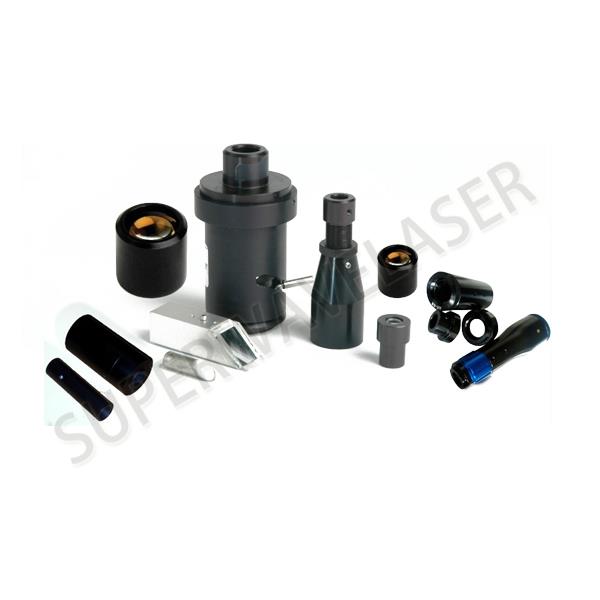
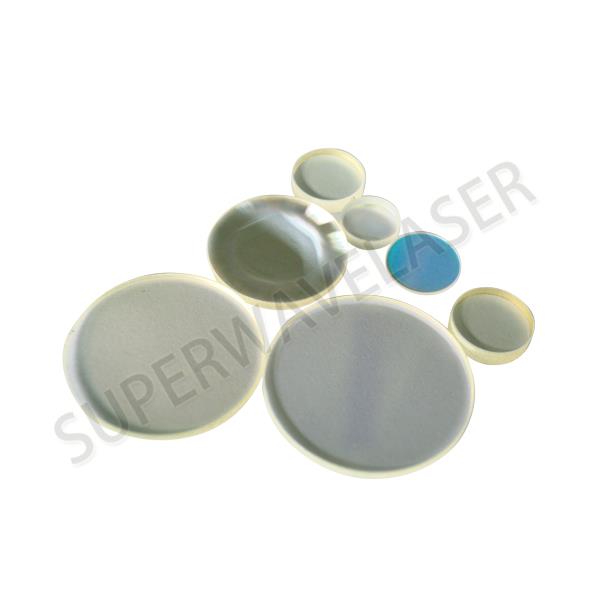
In addition to the mechanical components, advanced optics also play a crucial role in the performance of the F - 160 engines. For example, Collimating Lens are used in the engine's control and monitoring systems. These lenses help to focus and direct laser beams, which are used for various purposes such as measuring engine parameters, detecting vibrations, and ensuring proper alignment of engine components.
Laser Beam Expender are also essential. They are used to expand the laser beams, allowing for a wider coverage area during testing and monitoring. This helps to provide more accurate data about the engine's performance.
Laser Optical Mirror are another key component. They are used to redirect and manipulate laser beams within the engine's optical systems. These mirrors are designed to be highly reflective and durable, ensuring reliable operation in the harsh environment of an aircraft engine.
Engine Performance in Different Environments
The engines of the F - 160 are designed to perform well in a variety of environments. Whether it's flying in cold, high - altitude conditions or in hot, humid climates, the engines can adapt to different atmospheric conditions.
In cold environments, the air is denser, which can increase the engine's performance. However, it also presents challenges such as icing. The engines are equipped with anti - icing systems to prevent ice from forming on critical components, ensuring safe and efficient operation.
In hot and humid environments, the air is less dense, which can reduce the engine's thrust. To compensate for this, the engines are designed to adjust their fuel flow and compressor settings to maintain optimal performance.
Significance of the Engines in the F - 160's Overall Performance
The engines are the heart of the F - 160. Their performance directly impacts the aircraft's speed, range, payload capacity, and maneuverability. A well - designed engine allows the F - 160 to outperform its competitors in various mission scenarios.
In combat situations, the high thrust - to - weight ratio and maneuverability provided by the engines give the F - 160 a significant advantage. It can quickly accelerate to engage enemy aircraft or evade incoming threats. The long - range capabilities of the engines also allow for extended patrols and deep - penetration missions.
Conclusion and Invitation to Contact
In conclusion, the engines used in the F - 160 are a marvel of modern engineering. Their combination of high performance, fuel efficiency, and advanced technology makes them a key factor in the success of the F - 160. As a supplier, we are committed to providing the highest - quality engine components and support to ensure the continued excellence of the F - 160.
If you are interested in learning more about our products or are looking to engage in a procurement discussion, we encourage you to reach out. Our team of experts is ready to answer your questions and work with you to meet your specific needs.
References
- "Aerospace Engine Design Handbook", [Author's Name], [Publication Year]
- "Advanced Optics in Aviation", [Author's Name], [Publication Year]
- "Modern Aircraft Performance and Design", [Author's Name], [Publication Year]


