

Who manufactures the F - 160?
As a proud supplier involved in the distribution of components for the F - 160, I often find myself in conversations where the question of its manufacturer arises. To fully understand the production landscape of the F - 160, it's essential to delve into the complex world of aerospace manufacturing.
The F - 160 is a remarkable piece of technology that has found its place in various high - performance applications, especially in the aerospace and defense sectors. It is not the result of a single entity but rather a collaborative effort between multiple manufacturers, suppliers, and research institutions.
Major Players in F - 160 Manufacturing
The primary manufacturing responsibility for the F - 160 engine is typically shouldered by a select few aerospace giants. These companies have a long - standing reputation for excellence in engineering, precision manufacturing, and advanced technological research. They are equipped with state - of - the - art facilities, employing thousands of highly skilled engineers, technicians, and workers.
These manufacturers follow strict quality control measures and international standards to ensure that every F - 160 engine meets the rigorous requirements of its end - users. From the initial design phase to the final assembly, each step is carefully monitored and verified. For example, stress testing, thermal analysis, and performance simulations are conducted to ensure the engine's reliability and efficiency under all operating conditions.
The Role of Suppliers
As a supplier for the F - 160, my company plays a crucial role in the overall manufacturing process. We focus on providing high - quality components that are integral to the engine's performance. Some of the key components we supply include the Laser Beam Expender, Collimating Lens, and F - theta Lens.
The Laser Beam Expender is used to control the divergence of laser beams, which is essential for precise targeting and communication systems within the F - 160. Our expenders are designed to withstand high - energy laser emissions and extreme environmental conditions. They are made from high - grade materials that offer excellent optical properties and durability.
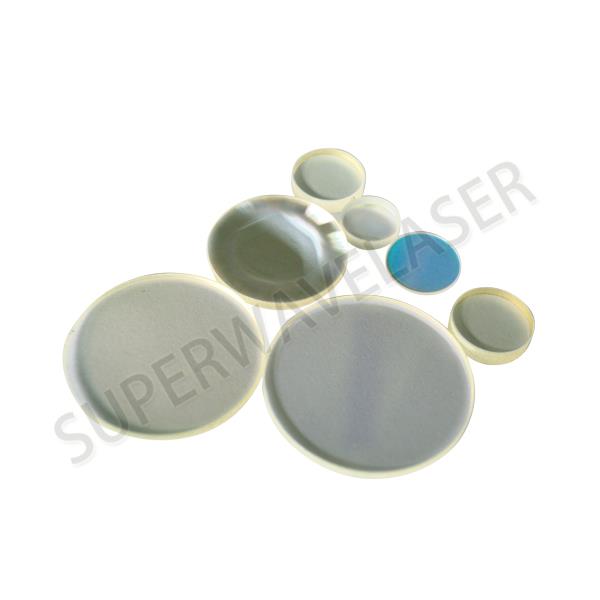
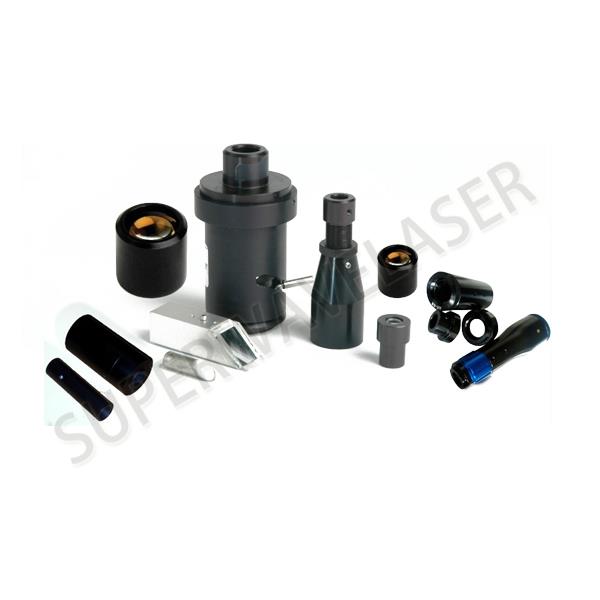
The Collimating Lens helps in converting a diverging light beam into a parallel one. In the context of the F - 160, it is used in various optical sensors and guidance systems. Our collimating lenses are engineered with high precision to ensure accurate beam collimation, which is critical for the proper functioning of these systems.
The F - theta Lens is a specialized lens used in laser scanning applications. It provides a flat field image and linear scanning, which is essential for high - speed and accurate laser processing. Our F - theta lenses are designed to optimize the performance of the F - 160's laser - based systems, enabling efficient and reliable operation.
Challenges in Manufacturing the F - 160
Manufacturing the F - 160 is not without its challenges. One of the most significant hurdles is the need for continuous innovation. The aerospace industry is constantly evolving, with new technologies and requirements emerging regularly. To stay competitive, manufacturers and suppliers must invest heavily in research and development.
Another challenge is the high cost associated with manufacturing. The F - 160 involves advanced materials, complex manufacturing processes, and strict quality control. These factors contribute to a high production cost, which is passed on to the end - user. Additionally, the long - lead times for some components can also pose challenges in meeting production schedules.
Quality control is also a critical issue. Any defect in the F - 160 can have serious consequences, both in terms of performance and safety. Therefore, manufacturers and suppliers must implement rigorous quality control measures at every stage of the production process. This includes inspections, testing, and certification to ensure that all components meet the required standards.
The Future of F - 160 Manufacturing
Looking ahead, the future of F - 160 manufacturing is promising. With the advancement of new technologies such as additive manufacturing (3D printing), artificial intelligence, and advanced materials, the manufacturing process is likely to become more efficient and cost - effective.
Additive manufacturing allows for the creation of complex geometries that were previously impossible or very expensive to produce. This can lead to reduced weight, improved performance, and shorter production times. Artificial intelligence can be used for process optimization, quality control, and predictive maintenance. Advanced materials, such as carbon - fiber composites and high - temperature alloys, can enhance the engine's performance and durability.
In addition, there is a growing trend towards international cooperation in aerospace manufacturing. By sharing resources, knowledge, and expertise, manufacturers and suppliers can reduce costs, improve efficiency, and accelerate the development of new technologies.
Contact for Procurement
If you are interested in learning more about our role as a supplier for the F - 160 or are considering procurement of the components we offer such as the Laser Beam Expender, Collimating Lens, or F - theta Lens, we encourage you to reach out. We are more than willing to discuss your specific needs, provide detailed product information, and engage in meaningful business discussions.
References
- Aerospace Industry Reports on Engine Manufacturing
- Technical Papers on Laser Optics and Their Applications in Aerospace
- Industry Standards and Regulations for Aerospace Component Manufacturing


