

Hey there! As a UV laser supplier, I often get asked if UV lasers can be used for medical purposes. Well, let's dive right into this topic and explore the possibilities.
First off, what exactly is a UV laser? UV lasers emit ultraviolet light, which has a shorter wavelength compared to visible light. This short wavelength gives UV lasers some unique properties that make them potentially useful in various fields, including medicine.
One of the key advantages of UV lasers in medical applications is their precision. UV lasers can be focused onto a very small area, which means they can target specific cells or tissues with high accuracy. This is crucial in many medical procedures where minimizing damage to surrounding healthy tissue is essential. For example, in ophthalmology, UV lasers are used for refractive surgeries like LASIK. These lasers can reshape the cornea with extreme precision, correcting vision problems such as nearsightedness, farsightedness, and astigmatism. The ability to precisely remove tiny amounts of corneal tissue allows for better visual outcomes and faster recovery times for patients.
Another area where UV lasers show promise is in dermatology. UV lasers can be used to treat various skin conditions, including tattoos, birthmarks, and certain types of skin cancer. When it comes to tattoo removal, the high - energy UV laser pulses can break down the tattoo ink particles into smaller pieces, which are then gradually eliminated by the body's immune system. In the case of birthmarks, UV lasers can target the pigmented cells in the skin, reducing the appearance of the mark over time. And for some early - stage skin cancers, UV lasers can be used to precisely ablate the cancerous cells, potentially avoiding more invasive surgical procedures.
In addition to their precision, UV lasers also have the ability to interact with biological molecules in unique ways. The high - energy photons in UV light can break chemical bonds in biological materials, which can be harnessed for therapeutic purposes. For instance, UV lasers can be used to inactivate viruses and bacteria. By exposing these microorganisms to UV laser light, the laser can damage their DNA or RNA, preventing them from reproducing and causing infections. This property makes UV lasers a potential tool for disinfection in medical settings, such as in hospitals or clinics.
However, it's not all rosy. There are also some challenges and concerns associated with using UV lasers in medicine. One of the main concerns is the potential damage to healthy cells. Although UV lasers can be very precise, if the dosage or exposure time is not carefully controlled, they can still cause damage to surrounding cells and tissues. This can lead to side effects such as scarring, inflammation, or even long - term health problems.
Another challenge is the complexity and cost of using UV lasers in medical applications. UV laser systems require specialized equipment and trained personnel to operate safely and effectively. The cost of purchasing and maintaining these systems can be quite high, which may limit their accessibility in some healthcare settings.
Despite these challenges, the medical community is constantly exploring new ways to use UV lasers more safely and effectively. Researchers are working on developing better control systems to ensure precise dosage and exposure, as well as new techniques to minimize damage to healthy tissue.
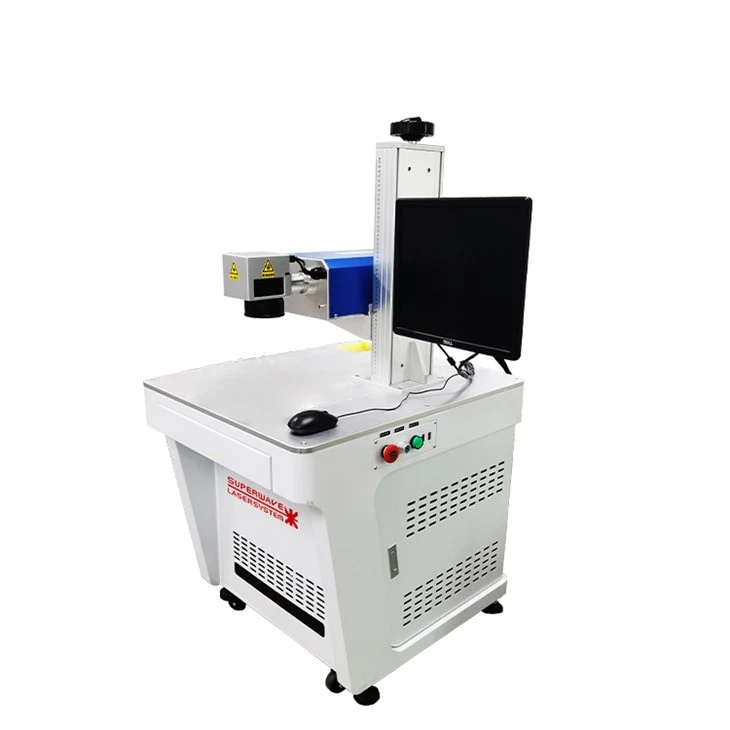
Now, if you're in the market for a UV laser for medical research or other applications, we've got some great options. Check out our Enclosed UV Laser Marking&Engraving Machine and UV Laser Marking&Engraving Machine. These machines are designed with high - quality components to ensure reliable performance.
Whether you're a medical researcher looking to explore new applications of UV lasers or a medical device manufacturer looking for a reliable UV laser supplier, we're here to help. Feel free to reach out if you have any questions or want to discuss your specific needs. We can provide you with more information about our products, including specifications, pricing, and technical support.

In conclusion, UV lasers definitely have the potential to be used for medical purposes. Their precision and unique interaction with biological molecules make them a valuable tool in various medical fields. While there are challenges to overcome, the future looks bright for the use of UV lasers in medicine. So, if you're interested in incorporating UV lasers into your medical research or practice, don't hesitate to get in touch and start the conversation.
References:
- "Lasers in Medicine" by John T. Craig, which provides an overview of the different types of lasers used in medical applications and their mechanisms of action.
- Articles from medical journals such as "Journal of Biomedical Optics" and "Lasers in Surgery and Medicine", which often publish research on the latest developments in laser - based medical treatments.


