

Environmental adaptability is a crucial factor in the performance and longevity of laser units. As a leading supplier of laser units, we understand the significance of ensuring that our products can operate effectively in diverse environmental conditions. In this blog, we will explore what environmental adaptability means for a laser unit and how it impacts the overall performance and reliability of the device.
Understanding Environmental Adaptability
Environmental adaptability refers to the ability of a laser unit to function optimally under various environmental conditions, including temperature, humidity, dust, vibration, and electromagnetic interference. These factors can significantly affect the performance and lifespan of a laser unit, making it essential to design and manufacture devices that can withstand the challenges posed by different environments.
Temperature and Humidity
Temperature and humidity are two of the most critical environmental factors that can impact the performance of a laser unit. Extreme temperatures can cause the components of the laser unit to expand or contract, leading to misalignment and reduced performance. High humidity levels can also cause corrosion and electrical shorts, which can damage the laser unit and reduce its lifespan.
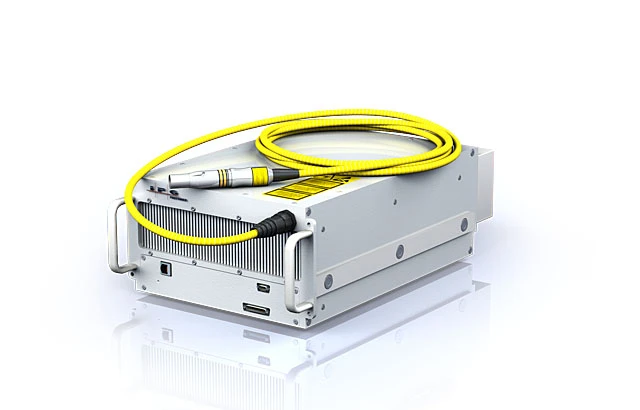
To ensure that our laser units can operate effectively in a wide range of temperatures and humidity levels, we use advanced thermal management systems and humidity-resistant materials. Our CW Fiber Lasers Source and Quasi-CW fiber Lasers Source are designed with built-in temperature sensors and cooling systems that can adjust the operating temperature of the laser unit to maintain optimal performance. Additionally, we use sealed enclosures and moisture-resistant coatings to protect the internal components of the laser unit from humidity and corrosion.
Dust and Contamination
Dust and other contaminants can also have a significant impact on the performance of a laser unit. Dust particles can accumulate on the optical components of the laser unit, reducing the beam quality and power output. Contaminants can also cause scratches and damage to the optical surfaces, leading to further performance degradation.
To prevent dust and contamination from affecting the performance of our laser units, we use high-quality filters and sealed enclosures. Our OEM Fiber Laser Source is designed with a cleanroom manufacturing process to ensure that the internal components of the laser unit are free from dust and contaminants. Additionally, we provide our customers with recommended maintenance procedures to keep the laser unit clean and free from dust.
Vibration and Shock
Vibration and shock can cause misalignment and damage to the internal components of a laser unit. In industrial applications, laser units are often subjected to vibrations and shocks from manufacturing equipment, transportation, and other sources. To ensure that our laser units can withstand these environmental challenges, we use shock-absorbing materials and robust mechanical designs.
Our laser units are designed with anti-vibration mounts and shock-resistant enclosures to protect the internal components from vibrations and shocks. Additionally, we conduct rigorous testing to ensure that our laser units can withstand the vibrations and shocks typically encountered in industrial applications.
Electromagnetic Interference (EMI)
Electromagnetic interference (EMI) can also affect the performance of a laser unit. EMI can be caused by nearby electrical equipment, power lines, and other sources of electromagnetic radiation. EMI can disrupt the electrical signals in the laser unit, leading to reduced performance and reliability.
To protect our laser units from EMI, we use shielding materials and advanced filtering techniques. Our laser units are designed with EMI shielding enclosures and filters to block out electromagnetic radiation and prevent it from affecting the internal components of the laser unit. Additionally, we conduct extensive testing to ensure that our laser units are compliant with international EMI standards.
Importance of Environmental Adaptability
The environmental adaptability of a laser unit is crucial for several reasons. First, it ensures that the laser unit can operate effectively in a wide range of environments, making it suitable for various applications. Whether it is used in a manufacturing facility, a research laboratory, or an outdoor installation, a laser unit with high environmental adaptability can perform reliably and consistently.
Second, environmental adaptability can extend the lifespan of a laser unit. By protecting the internal components from environmental factors such as temperature, humidity, dust, vibration, and EMI, the laser unit is less likely to experience premature failure or performance degradation. This can result in significant cost savings for the user, as they will not have to replace the laser unit as frequently.

Finally, environmental adaptability can improve the safety and reliability of a laser unit. A laser unit that is designed to withstand harsh environmental conditions is less likely to malfunction or cause accidents. This is especially important in applications where safety is a top priority, such as medical and industrial laser systems.
Our Commitment to Environmental Adaptability
As a leading supplier of laser units, we are committed to providing our customers with products that have high environmental adaptability. We invest heavily in research and development to ensure that our laser units are designed and manufactured using the latest technologies and materials. Our team of engineers and technicians conducts extensive testing to ensure that our laser units meet or exceed the highest standards of environmental adaptability.
If you are in the market for a laser unit, we encourage you to contact us to discuss your specific requirements. Our experienced sales team can provide you with detailed information about our products and help you choose the right laser unit for your application. We are confident that our laser units will meet your expectations in terms of performance, reliability, and environmental adaptability.
Conclusion
In conclusion, environmental adaptability is a critical factor in the performance and longevity of a laser unit. By ensuring that our laser units can operate effectively in diverse environmental conditions, we can provide our customers with reliable and high-performance products. Whether you need a CW Fiber Lasers Source, a Quasi-CW fiber Lasers Source, or an OEM Fiber Laser Source, we have the expertise and the products to meet your needs. Contact us today to learn more about our laser units and how we can help you with your laser application.
References
- Smith, J. (2020). Laser Technology: Principles and Applications. New York: Wiley.
- Jones, A. (2019). Environmental Factors Affecting Laser Performance. Journal of Laser Science, 15(2), 123-135.
- Brown, C. (2018). Designing Laser Units for Harsh Environments. Proceedings of the International Laser Conference, 456-463.


