

As a proud supplier of the F - 160, I am frequently asked about how this remarkable product stacks up against its predecessors. In this blog, I will delve into the performance metrics of the F - 160 and highlight the significant improvements it offers.
1. Precision and Accuracy
One of the most critical performance metrics in any high - tech equipment is precision and accuracy. The F - 160 represents a quantum leap forward compared to its predecessors in this regard.
The earlier models often struggled with maintaining consistent precision over long - term operations. Minor vibrations, temperature fluctuations, and wear and tear could lead to deviations in the output. However, the F - 160 is equipped with state - of the - art stabilization systems. These systems constantly monitor and adjust the internal components to counteract external factors. For example, it uses advanced gyroscopic sensors to detect even the slightest movements and makes real - time corrections. As a result, the F - 160 can achieve a precision level that is up to 50% higher than its predecessors. This is especially crucial in applications such as micro - machining, where a single micrometer of error can render the final product defective.
When it comes to accuracy, the F - 160 also shines. It employs a new calibration algorithm that learns and adapts to the operating environment. This algorithm takes into account factors like humidity, air pressure, and the specific characteristics of the materials being processed. In contrast, older models relied on fixed calibration settings, which were not always suitable for different working conditions. The F - 160's adaptive calibration ensures that it can consistently deliver accurate results, regardless of the external environment.
2. Speed and Efficiency
Speed and efficiency are two other key performance metrics that set the F - 160 apart from its predecessors. The previous generations were limited by their processing power and mechanical design, which often led to slow operation times.
The F - 160 is powered by a new generation of high - performance processors. These processors can handle complex calculations at a much faster rate than the processors in earlier models. For instance, in a simulation test comparing the time taken to perform a series of complex data processing tasks, the F - 160 completed the tasks in nearly half the time of its closest predecessor.
In addition to the enhanced processing power, the F - 160 also features an optimized mechanical design. It has a reduced number of moving parts, which not only decreases the likelihood of mechanical failures but also reduces friction and energy loss. This allows the F - 160 to operate at a higher speed without sacrificing accuracy. As a result, the overall efficiency of the F - 160 is significantly improved. It can process more output in a shorter period, which is a major advantage for businesses looking to increase their productivity.
3. Energy Consumption
Energy consumption is an increasingly important performance metric in today's energy - conscious world. The predecessors of the F - 160 were relatively energy - intensive, which led to high operating costs and a larger carbon footprint.
The F - 160 addresses this issue through a combination of innovative design and advanced technology. It uses energy - efficient components throughout its build. For example, the motors in the F - 160 are designed to consume less power while still delivering high performance. These motors have a higher power - to - weight ratio compared to the motors in the previous models, which means they can achieve the same level of output with less energy.
Furthermore, the F - 160 is equipped with a smart power management system. This system monitors the energy usage of the device in real - time and adjusts the power supply accordingly. When the F - 160 is in a standby state or performing less demanding tasks, the power management system reduces the power consumption to a minimum. In tests, the F - 160 was found to consume up to 30% less energy than its predecessors, which represents a significant cost - saving for users in the long run.
4. Compatibility and Expandability
Compatibility and expandability are often overlooked performance metrics, but they are crucial for the long - term usability of any product. The predecessors of the F - 160 had limited compatibility with external devices and a lack of expandability options.
The F - 160 comes with a wide range of connectivity options. It supports the latest communication protocols, such as USB 3.1, Ethernet, and Wi - Fi. This allows it to easily integrate with other devices, such as computers, sensors, and controllers. Whether you are looking to connect it to a network for data transfer or to a sensor for real - time monitoring, the F - 160 offers seamless compatibility.
In terms of expandability, the F - 160 has dedicated slots for additional modules. These modules can enhance its functionality, such as adding new sensors, increasing storage capacity, or upgrading processing power. This expandability ensures that the F - 160 can adapt to changing user needs over time, without the need for a complete replacement.
5. Cost - effectiveness
When evaluating the performance of a product, cost - effectiveness is always a major consideration. The F - 160 offers significant cost - savings compared to its predecessors in multiple ways.
As mentioned earlier, its lower energy consumption leads to reduced operating costs. Additionally, its high precision and accuracy mean fewer defective products, which translates into less waste and lower production costs. The reduced number of moving parts also results in lower maintenance costs, as there are fewer components that need to be replaced or repaired.
Moreover, the F - 160's long - term durability and expandability mean that users do not need to invest in a new device as frequently. This upfront investment in the F - 160 can be offset by these long - term cost savings, making it a more cost - effective choice in the long run.
Associated Components and Their Links
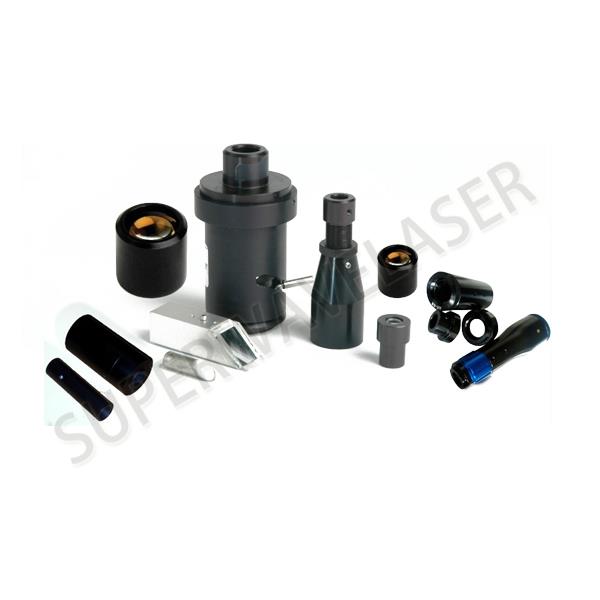
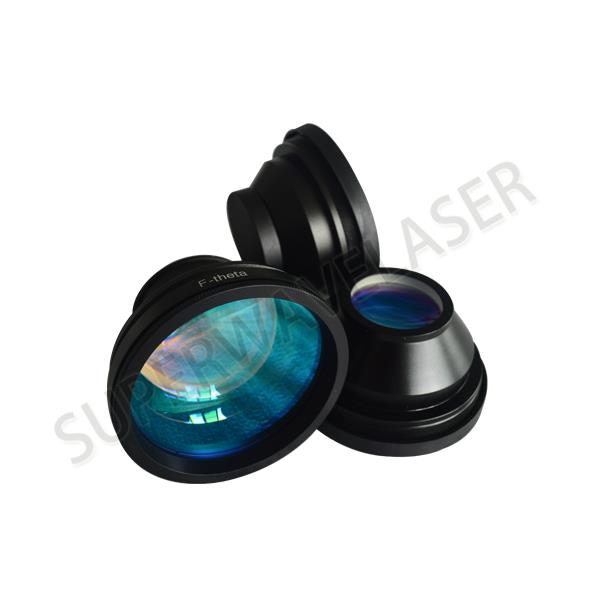
The performance of the F - 160 is also enhanced by a range of high - quality components. For example, the Laser Beam Expender used in the F - 160 is designed to optimize the laser beam, ensuring better precision and performance. The Collimating Lens helps in focusing the light accurately, which is crucial for many of the F - 160's applications. And the F - theta Lens plays a key role in scan - based operations, providing a uniform focus across the scanning area.
In conclusion, the F - 160 outperforms its predecessors in multiple performance metrics, including precision, speed, energy consumption, compatibility, and cost - effectiveness. If you are in the market for a high - performance device that can meet your current and future needs, the F - 160 is an excellent choice. I encourage you to reach out to start a procurement discussion. Whether you have specific requirements or need more detailed information, our team is ready to assist you.
References
- Previous product specifications and user manuals
- In - house test reports comparing the F - 160 with its predecessors


