

The cockpit of an aircraft serves as the nerve center where the pilot interfaces with the complex systems of the plane, making decisions that can determine the success of a mission. As a supplier for the F - 160, I have witnessed firsthand how every aspect of its cockpit design is carefully crafted to enhance pilot performance. In this blog, we will explore the key features of the F - 160 cockpit and how they contribute to the pilot's efficiency, safety, and overall mission success.
Ergonomic Excellence
One of the fundamental aspects of the F - 160 cockpit design is its ergonomics. The layout of controls, displays, and seating is optimized to reduce pilot fatigue and increase comfort during long - duration flights. The seats are adjustable in multiple dimensions, allowing pilots of different body types to find the most comfortable position. This adjustability is crucial as it helps in maintaining proper blood circulation and reduces the risk of musculoskeletal disorders.
The placement of controls follows a logical and intuitive pattern. Frequently used controls are within easy reach of the pilot's hands, reducing the need for excessive movement. This not only saves time but also minimizes distractions during critical flight phases. For example, the throttle and stick controls are designed to provide a natural feel, allowing the pilot to make precise maneuvers with minimal effort.
Advanced Display Systems
The F - 160 is equipped with state - of - the - art display systems that play a vital role in enhancing pilot performance. The primary flight display (PFD) provides essential flight information such as altitude, airspeed, heading, and attitude in a clear and concise manner. The use of high - resolution screens and advanced graphics ensures that the information is easily readable, even in high - stress situations or under adverse lighting conditions.
In addition to the PFD, the multifunction displays (MFDs) offer a wide range of additional information. Pilots can customize these displays to show different types of data depending on the mission requirements. For instance, during a combat mission, the MFDs can display radar information, weapon status, and threat assessments. This real - time data allows pilots to make informed decisions quickly, which is essential in combat scenarios.
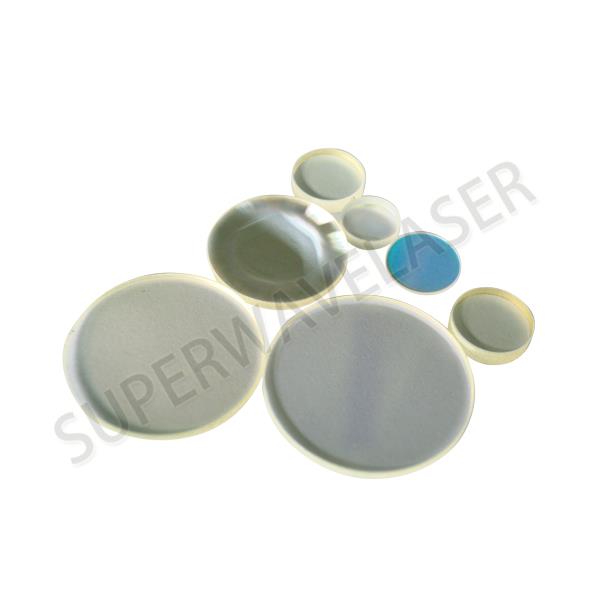
Our company supplies some of the optical components used in these display systems. The Laser Optical Mirror is a critical part that helps in accurately projecting the information onto the displays. It ensures high - quality image formation and clarity, which is essential for the pilot to interpret the data correctly.
Synthetic Vision Systems (SVS)
The F - 160 cockpit features a Synthetic Vision System (SVS), which provides the pilot with a virtual representation of the external environment. This system uses data from various sensors, including radar and terrain databases, to generate a 3D image of the surrounding area. The SVS is particularly useful in low - visibility conditions such as fog, rain, or at night.
By providing a clear view of the terrain and potential obstacles, the SVS reduces the pilot's workload and enhances situational awareness. Pilots can fly more confidently, knowing that they have a detailed understanding of their surroundings. This technology has been shown to reduce the risk of Controlled Flight Into Terrain (CFIT) accidents, which are a significant concern in aviation.
Heads - Up Display (HUD)
The Heads - Up Display (HUD) is another key feature of the F - 160 cockpit. It projects critical flight information, such as airspeed, altitude, and weapon aiming cues, onto a transparent screen in the pilot's line of sight. This allows the pilot to keep their eyes on the outside environment while still having access to essential data.
The HUD is especially useful during high - speed maneuvers and combat situations. Pilots can quickly acquire targets and make precise aiming adjustments without having to look down at the instrument panel. This reduces the time taken to respond to threats and increases the probability of a successful engagement. The Laser Focus Lens is an important component in the HUD system, as it helps in focusing the projected images for clear visibility.
Cockpit Automation
The F - 160 cockpit incorporates a high degree of automation, which enhances pilot performance by reducing workload and increasing safety. The aircraft's autopilot system can perform various functions, such as maintaining altitude, heading, and airspeed. This allows the pilot to focus on other aspects of the mission, such as navigation and threat assessment.
Automation also extends to the aircraft's systems management. For example, the engine control system can automatically adjust the engine parameters based on the flight conditions, ensuring optimal performance and fuel efficiency. However, the design also allows the pilot to override the automation at any time, giving them full control when needed.
Enhanced Communication Systems
Effective communication is essential for the success of any flight mission. The F - 160 cockpit is equipped with advanced communication systems that allow the pilot to communicate with ground control, other aircraft, and mission support teams. These systems use secure and reliable communication channels, ensuring that the information is transmitted accurately and without interference.

The integration of voice - activated controls in the communication systems further enhances the pilot's efficiency. Pilots can make calls, send messages, and access communication functions without having to use their hands, which is particularly useful during high - workload situations.
Training and Familiarization
The cockpit design of the F - 160 also takes into account the training and familiarization process for pilots. The intuitive layout of controls and displays makes it easier for new pilots to learn the aircraft's systems. Additionally, the use of simulation technology allows pilots to practice in a virtual environment before flying the actual aircraft.
Simulation training provides a safe and cost - effective way for pilots to gain experience and confidence. They can practice various flight scenarios, including emergency procedures, without the risk of real - world consequences. This training helps in reducing the learning curve and ensures that pilots are well - prepared for the challenges of flying the F - 160.
Conclusion
In conclusion, the cockpit design of the F - 160 is a masterpiece of engineering that is specifically designed to enhance pilot performance. From its ergonomic layout to its advanced display systems, synthetic vision, and automation features, every aspect of the cockpit contributes to the pilot's efficiency, safety, and mission success.
As a supplier for the F - 160, we take pride in providing high - quality components such as the Laser Optical Mirror, Laser Focus Lens, and Laser Beam Expender that are essential for the proper functioning of the cockpit systems.
If you are interested in learning more about our products and how they can contribute to your aircraft projects, we invite you to contact us for a procurement discussion. We are committed to providing the best solutions and support to meet your needs.
References
- Aviation Design Handbook: Cockpit Ergonomics and Systems
- Journal of Aviation Technology and Engineering: Advancements in Cockpit Display Systems
- Military Aviation Research: The Role of Automation in Modern Cockpits


