

Why is it important to adjust the interpupillary distance?
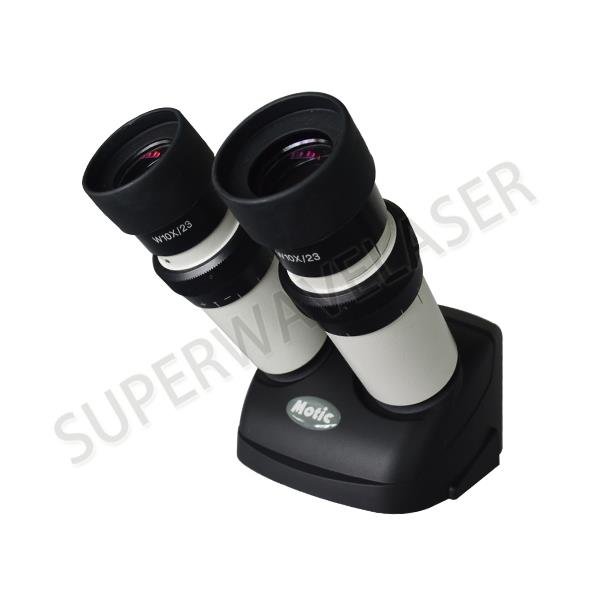
Hey there! I'm a supplier of Microscope, and today I want to talk about something that's super important when it comes to using a microscope: adjusting the interpupillary distance.
Let's start with the basics. The interpupillary distance, or IPD for short, is the distance between the centers of your two pupils. It can vary from person to person, and it's different for everyone. When you're using a microscope, getting the IPD right is crucial for a few reasons.
First off, it's all about comfort. If the interpupillary distance on your microscope isn't adjusted properly, you're going to end up feeling pretty uncomfortable. You might have to strain your eyes or neck to try and see through the eyepieces, and that can lead to headaches and fatigue. No one wants that, right? By adjusting the IPD to match your eyes, you can ensure that you're looking through the microscope in a natural and relaxed way.
Another big reason is about getting the best view. When the IPD is set correctly, your two eyes can work together to create a single, clear image. If the distance is off, you might see double images or a blurry view. This can make it really hard to examine specimens accurately. For example, if you're a scientist looking at a cell under the microscope, a misaligned IPD could make it difficult to see the details clearly, which could affect your research.
Now, let's talk about how adjusting the IPD affects the accuracy of your observations. When you're using a microscope, you're often looking for very small details. Whether you're in a biology lab, a medical setting, or just a hobbyist exploring the microscopic world, accuracy is key. A proper IPD adjustment allows you to focus on the specimen without any distractions. You can see the fine structures and make more precise measurements. This is especially important in fields like pathology, where accurate identification of cells and tissues can have a huge impact on diagnosis.
In different types of microscopes, the process of adjusting the IPD can vary a bit. Some microscopes have a simple adjustment mechanism, like a sliding bar between the eyepieces. You just move the eyepieces closer or farther apart until you see a single, circular field of view. Other microscopes might have more advanced adjustment features, but the principle is the same.
As a microscope supplier, I've seen firsthand how important it is for users to understand and adjust the IPD. I've had customers come to me complaining about poor image quality or discomfort, and often, the problem is simply that the IPD wasn't set correctly. Once we adjust it for them, they're amazed at how much better the microscope works.
If you're in the market for a microscope, it's a good idea to look for one that has an easy-to-use IPD adjustment feature. This will make your experience with the microscope much more enjoyable and productive. And if you already have a microscope, take a few minutes to check and adjust the IPD. It's a simple step that can make a world of difference.
Now, I know you might be thinking, "Okay, this all sounds great, but how do I actually adjust the IPD?" Well, here's a quick guide. First, turn on the microscope and place a specimen on the stage. Look through the eyepieces with both eyes open. You'll probably see two separate circles at first. Then, slowly adjust the distance between the eyepieces until the two circles merge into one. You might need to make a few small adjustments to get it just right. Once you see a single, clear image, you're good to go.
In conclusion, adjusting the interpupillary distance is a small but crucial step when using a microscope. It can improve your comfort, enhance the quality of your observations, and increase the accuracy of your work. Whether you're a professional scientist, a student, or just someone who loves exploring the microscopic world, taking the time to adjust the IPD will make your microscope experience much better.
If you're interested in purchasing a high - quality microscope or have any questions about IPD adjustment or other microscope features, don't hesitate to reach out. We're here to help you find the perfect microscope for your needs and ensure that you get the most out of it.
References
- General knowledge about microscope usage and optics principles.
- Experience from working as a microscope supplier.


