

What is the communication range of the F - 160's communication systems?
As a proud supplier of the F - 160, I am frequently asked about the communication range of its communication systems. In today's era of advanced technology, the communication capabilities of military equipment play a crucial role in ensuring mission success and operational efficiency. The F - 160 is no exception, and understanding its communication range is essential for both military strategists and potential customers.
The F - 160's communication systems are designed to operate in a variety of environments and scenarios, from short - range tactical operations to long - distance strategic communication. These systems incorporate a combination of radio frequency (RF) and optical communication technologies to provide reliable and secure communication channels.
Radio Frequency (RF) Communication
RF communication is the backbone of the F - 160's communication system. It uses radio waves to transmit and receive data over different frequency bands. The range of RF communication in the F - 160 depends on several factors, including the power output of the transmitter, the antenna design, and the environmental conditions.
The F - 160 is equipped with high - power RF transmitters that can operate in multiple frequency bands, such as VHF (Very High Frequency) and UHF (Ultra High Frequency). VHF frequencies typically offer a range of up to 100 - 200 kilometers, depending on the terrain and the height of the antenna. UHF frequencies, on the other hand, can provide a range of up to 50 - 100 kilometers in line - of - sight conditions.
However, in real - world scenarios, the actual communication range may be affected by factors such as terrain, weather, and interference. For example, in mountainous areas or urban environments, the range of RF communication may be significantly reduced due to signal blockage and reflection. To overcome these challenges, the F - 160's communication system is designed with advanced signal processing algorithms and adaptive antenna systems that can adjust to changing environmental conditions.
Optical Communication
In addition to RF communication, the F - 160 also incorporates optical communication technologies, such as laser communication. Laser communication offers several advantages over RF communication, including higher data rates, greater security, and longer communication ranges.
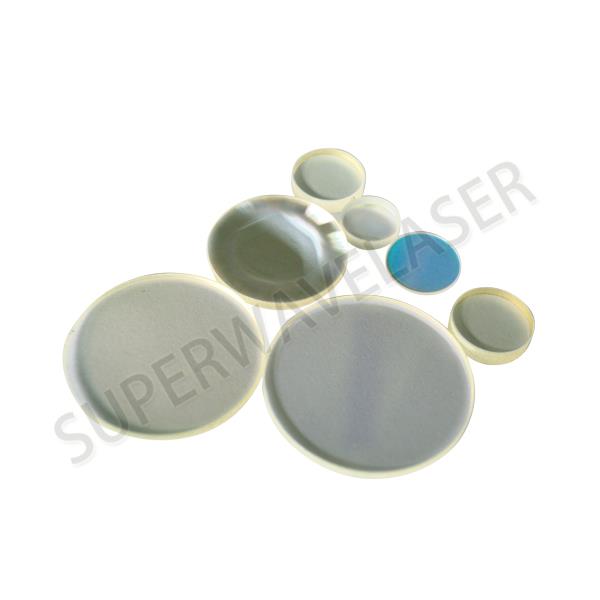
The F - 160's laser communication system uses Laser Optical Mirror and Laser Focus Lens to transmit and receive laser signals. These components are designed to focus the laser beam and direct it towards the target receiver. The range of laser communication in the F - 160 can be several hundred kilometers or more, depending on the power of the laser and the atmospheric conditions.
One of the key advantages of laser communication is its high data rate. Laser communication can transmit data at speeds of up to several gigabits per second, which is much higher than the data rates achievable with RF communication. This makes laser communication ideal for applications that require high - speed data transfer, such as real - time video streaming and large - scale data sharing.
Another advantage of laser communication is its security. Laser signals are highly directional, which means that they are difficult to intercept or jam. This makes laser communication a secure option for military applications where data confidentiality is of utmost importance.
Collimating Lens and Its Role
The Collimating Lens is an important component in the F - 160's communication system, especially in the laser communication subsystem. A collimating lens is used to convert a diverging laser beam into a parallel beam. This is crucial for long - range laser communication because a parallel beam can travel a longer distance without significant divergence.
By using a high - quality collimating lens, the F - 160's laser communication system can achieve a more focused and efficient laser beam, which in turn increases the communication range and reliability. The collimating lens also helps to reduce the power loss of the laser beam, allowing the system to operate more effectively over long distances.
Factors Affecting Communication Range
In addition to the technology used in the communication system, several other factors can affect the communication range of the F - 160. These factors include:
- Atmospheric Conditions: The atmosphere can have a significant impact on the communication range of both RF and optical communication systems. For example, fog, rain, and dust can absorb or scatter the radio waves and laser signals, reducing the communication range.
- Terrain: The terrain can also affect the communication range. In mountainous areas or areas with dense vegetation, the signal may be blocked or reflected, reducing the effective communication range.
- Interference: Interference from other electronic devices or natural sources can also affect the communication range. The F - 160's communication system is designed to be resistant to interference, but in some cases, interference can still cause problems.
Applications and Significance
The communication range of the F - 160's communication systems has significant implications for military operations. In short - range tactical operations, the RF communication system can provide reliable communication between ground troops, vehicles, and aircraft. This allows for effective coordination and situational awareness on the battlefield.
In long - range strategic communication, the laser communication system can be used to transmit large amounts of data between different military bases or units. This is crucial for sharing intelligence, coordinating military operations, and maintaining command and control.

Conclusion
The communication range of the F - 160's communication systems is a complex topic that depends on a variety of factors, including the technology used, the environmental conditions, and the application. The combination of RF and optical communication technologies in the F - 160 provides a reliable and secure communication solution for a wide range of military applications.
If you are interested in learning more about the F - 160's communication systems or are considering a purchase, I encourage you to reach out for a detailed discussion. Our team of experts is ready to provide you with the information and support you need to make an informed decision.
References
- Military Communication Handbook, 2022 Edition.
- Technical Specifications of F - 160 Communication Systems.
- Research Papers on Laser Communication Technologies.


