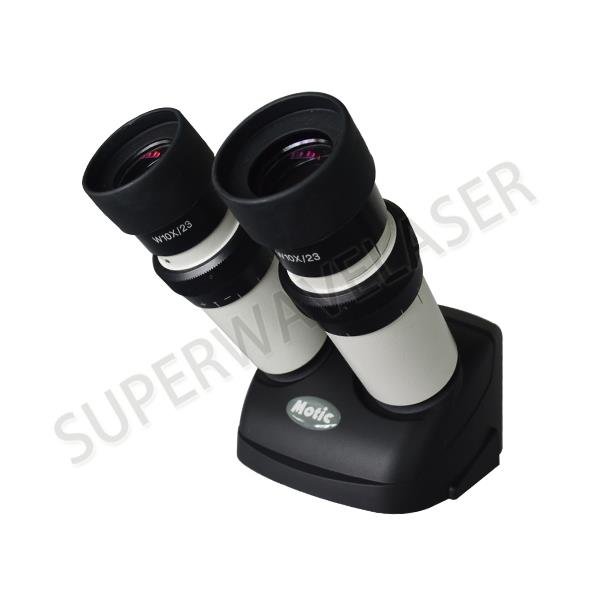
A stereo microscope, also known as a dissecting microscope, is a powerful optical instrument that provides a three - dimensional view of specimens. As a Microscope supplier, I have witnessed firsthand the diverse and valuable applications of stereo microscopes across various fields. In this blog, we will explore the numerous uses of a stereo microscope and how it can be a game - changer for your work or research.
Biological and Life Sciences
In the biological and life sciences, stereo microscopes are indispensable tools. They are commonly used in dissection procedures. Whether you are a student learning basic anatomy or a professional researcher studying the internal structures of small organisms, a stereo microscope allows you to clearly visualize the different parts of the specimen in three dimensions. For example, when dissecting a small insect, the stereo microscope reveals the details of its exoskeleton, appendages, and internal organs with high precision. This is crucial for understanding the biological functions and evolutionary adaptations of these organisms.
Moreover, in botany, stereo microscopes are used to study plant structures. Botanists can examine the surface features of leaves, such as stomata and trichomes, as well as the structure of flowers and seeds. By using a stereo microscope, they can identify different plant species, study their growth patterns, and even conduct experiments on plant reproduction. For instance, observing pollen grains under a stereo microscope can provide insights into the pollination process and the genetic diversity of plant populations.
Another application in the biological field is entomology. Entomologists use stereo microscopes to study insects in great detail. They can identify different insect species based on their morphological features, such as the shape of their wings, antennae, and legs. This is important for pest control, conservation efforts, and understanding the ecological roles of insects in an ecosystem. Research on the behavior and development of insects also relies heavily on the use of stereo microscopes. Scientists can observe the life cycles of insects, from egg to larva to adult, and study how they interact with their environment.
Forensic Science
In forensic science, stereo microscopes play a vital role in evidence analysis. They are used to examine small pieces of evidence such as fibers, hairs, and gunshot residue. By magnifying these tiny objects, forensic scientists can identify their characteristics and determine their origin. For example, analyzing a single hair found at a crime scene can provide information about the person's race, gender, and even some health conditions. The three - dimensional view provided by a stereo microscope allows investigators to see the texture, color, and cross - sectional shape of the hair, which are important clues in solving crimes.
When it comes to analyzing fibers, a stereo microscope can help distinguish between natural and synthetic fibers. It can also determine the type of fabric and the dye used, which can be crucial in linking a suspect to a crime scene. Gunshot residue examination is another area where stereo microscopes are essential. Scientists can observe the shape, size, and distribution of gunshot residue particles, which can provide information about the distance between the shooter and the target, as well as the type of firearm used.
Material Science and Engineering
In material science and engineering, stereo microscopes are used for quality control and failure analysis. Manufacturers can use these microscopes to inspect the surface of materials for defects such as cracks, scratches, and inclusions. For example, in the semiconductor industry, stereo microscopes are used to examine the surface of silicon wafers. Any defects on the wafer can affect the performance of the semiconductor devices, so early detection is crucial. By using a stereo microscope, engineers can identify these defects at an early stage and take corrective measures to improve the quality of the products.
In addition, stereo microscopes are used in failure analysis. When a material or a component fails, engineers can use the microscope to examine the fracture surface and determine the cause of the failure. They can look for signs of fatigue, corrosion, or overloading, which can help them improve the design and manufacturing processes to prevent future failures. For example, in the aerospace industry, the analysis of failed turbine blades using a stereo microscope can provide valuable insights into the materials' performance under extreme conditions.
Jewelry and Gemology
The jewelry and gemology industry also benefits greatly from the use of stereo microscopes. Gemologists use these microscopes to examine gemstones for clarity, color, and inclusions. By magnifying the gemstone, they can identify any internal flaws or impurities that may affect its value. For example, a diamond with visible inclusions will be worth less than a flawless diamond. The three - dimensional view provided by a stereo microscope allows gemologists to accurately assess the depth and location of these inclusions.
In addition, stereo microscopes are used in the jewelry manufacturing process. Jewelry makers can use them to inspect the details of their designs, such as the setting of gemstones and the craftsmanship of the metalwork. This ensures that the final product meets the high standards of quality and aesthetics. They can also use the microscope to detect any signs of wear or damage during the repair process.
Education
In educational institutions, stereo microscopes are widely used to teach students about the microscopic world. In biology classes, students can use these microscopes to study specimens such as cells, tissues, and small organisms. The hands - on experience of using a stereo microscope helps students develop their observation skills and scientific thinking. It also makes the learning process more engaging and memorable.
In physics and chemistry classes, stereo microscopes can be used to demonstrate the physical and chemical properties of materials. For example, students can observe the crystal structure of salts or the reaction between different chemicals at a microscopic level. This practical approach to learning helps students better understand the theoretical concepts taught in the classroom.
Why Choose Our Microscopes
As a Microscope supplier, we offer a wide range of high - quality stereo microscopes. Our microscopes are equipped with advanced optical systems that provide clear and sharp images. They also have adjustable magnification levels, allowing you to view specimens at different scales. In addition, our microscopes are designed with user - friendly features, such as ergonomic eyepiece holders and adjustable illumination, to ensure comfortable and efficient use.
If you are in the market for a stereo microscope for any of the applications mentioned above, we would be more than happy to assist you. Our team of experts can provide you with detailed information about our products and help you choose the microscope that best suits your needs. Whether you are a student, a researcher, a professional in a specific industry, or a hobbyist, we have the right microscope for you.
Contact Us for Purchase
If you are interested in purchasing a stereo microscope, please don't hesitate to contact us. We are committed to providing you with the best products and services. You can reach out to us to discuss your requirements, get a quote, or arrange a demonstration. Our goal is to help you find the perfect stereo microscope that will enhance your work, research, or educational experience.
References
Smith, J. (2018). Microscopy in Biological Sciences. Academic Press.
Jones, A. (2019). Forensic Microscopy: Principles and Techniques. Wiley.
Brown, C. (2020). Material Science and Microscopy. Cambridge University Press.
Green, D. (2021). Gemology: A Practical Guide. Gemological Institute of America.