

As a supplier of the F - 160, I am often asked about the self - defense capabilities of this remarkable aircraft. In this blog, I will delve into the various aspects of the F - 160's self - defense mechanisms, highlighting its advanced technologies and features that make it a formidable force in the sky.
Electronic Warfare Systems
One of the key components of the F - 160's self - defense is its state - of - the - art electronic warfare (EW) systems. These systems are designed to detect, analyze, and counter a wide range of threats, including radar - guided missiles and enemy electronic surveillance.
The F - 160 is equipped with an advanced radar warning receiver (RWR). This device constantly monitors the electromagnetic spectrum for radar signals emitted by potential threats. When a hostile radar signal is detected, the RWR immediately alerts the pilot, providing information about the direction, type, and range of the threat. This early warning allows the pilot to take evasive action or deploy countermeasures in a timely manner.
In addition to the RWR, the F - 160 also features an electronic countermeasures (ECM) suite. This suite includes jamming systems that can disrupt the operation of enemy radar and communication systems. By emitting high - power radio frequency signals, the ECM suite can create false targets or interfere with the guidance systems of incoming missiles, reducing their effectiveness. For example, the F - 160 can use deceptive jamming techniques to make the enemy radar believe that the aircraft is in a different location, causing the missile to miss its target.
Countermeasure Dispensers
Another important aspect of the F - 160's self - defense is its countermeasure dispensers. These devices are used to release various types of decoys, such as flares and chaff, to confuse and divert incoming threats.
Flares are pyrotechnic devices that emit a bright infrared (IR) signature. When an IR - guided missile is approaching, the pilot can deploy flares from the countermeasure dispensers. The intense IR radiation from the flares can attract the missile's seeker head, causing it to veer off course and miss the aircraft. The F - 160's flare dispensers are designed to release flares in a controlled and strategic manner, maximizing their effectiveness.
Chaff, on the other hand, consists of small, lightweight metal strips that are ejected into the air. These strips create a cloud of radar - reflective material, which can disrupt the operation of radar - guided missiles. When a radar - guided missile approaches, the chaff cloud can cause the missile's radar to lock onto the chaff instead of the aircraft, leading to a miss. The F - 160's chaff dispensers can release chaff in different patterns and densities, depending on the nature of the threat.
Stealth Technology
The F - 160 incorporates advanced stealth technology to reduce its radar cross - section (RCS). By minimizing the amount of radar energy reflected back to the enemy, the aircraft becomes more difficult to detect and track.
The design of the F - 160's airframe is carefully optimized to reduce RCS. Its smooth, angular surfaces and internal weapon bays help to deflect radar waves away from the source. Additionally, the aircraft is coated with special radar - absorbing materials (RAM) that can absorb and dissipate radar energy, further reducing its detectability.
Stealth technology also extends to the F - 160's engines. The engine inlets are designed to minimize the radar signature of the engines, and the exhaust nozzles are equipped with infrared suppression devices to reduce the aircraft's IR signature. This combination of reduced radar and IR signatures makes the F - 160 a highly elusive target in combat situations.
On - board Sensors and Weapons
The F - 160 is equipped with a variety of on - board sensors and weapons that can be used for self - defense. Its advanced radar system provides the pilot with a comprehensive view of the surrounding airspace, allowing for early detection of potential threats. The radar can track multiple targets simultaneously and provide accurate information about their speed, altitude, and direction.
In addition to the radar, the F - 160 also has an infrared search and track (IRST) system. This system can detect the heat signatures of enemy aircraft and missiles, even in the absence of radar emissions. The IRST system provides an additional layer of situational awareness, especially in environments where radar jamming is prevalent.
When it comes to weapons, the F - 160 is armed with a range of air - to - air missiles. These missiles can be used to engage enemy aircraft at various ranges. For example, the short - range air - to - air missiles are ideal for close - in dogfights, while the medium - and long - range missiles can be used to engage targets at a distance. The F - 160's missile systems are highly accurate and reliable, and they can be integrated with the aircraft's on - board sensors for enhanced targeting capabilities.
Advanced Optics in Self - Defense
The F - 160 also benefits from advanced optical components in its self - defense systems. Components such as the Laser Optical Mirror, Laser Beam Expender, and Laser Focus Lens play crucial roles in the aircraft's laser - based systems.
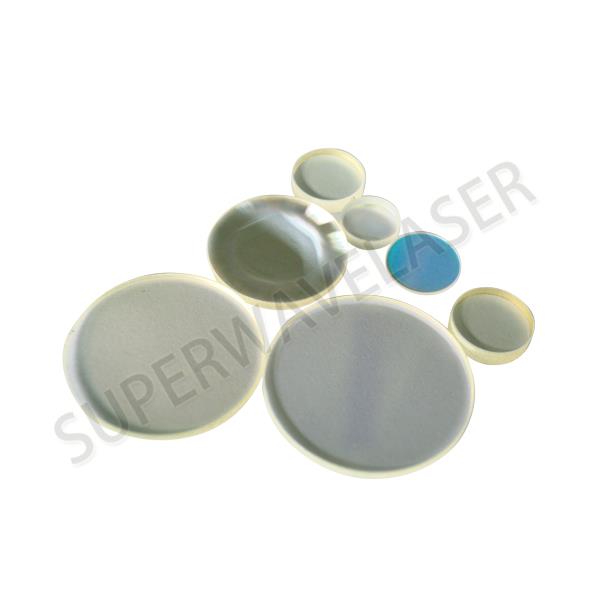
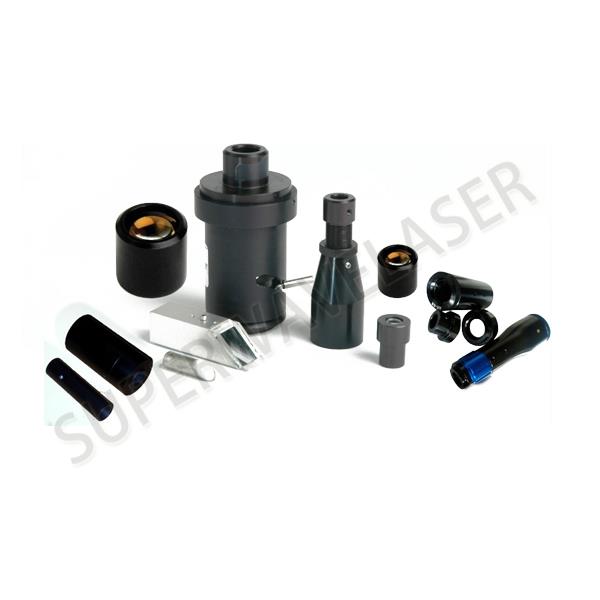
The laser optical mirror is used to direct and control laser beams in the aircraft's laser - based countermeasure systems. It can precisely reflect and redirect the laser energy, allowing for targeted jamming of enemy sensors or weapons. The laser beam expender is responsible for expanding the laser beam, increasing its coverage area and effectiveness. This is particularly useful when dealing with multiple threats or large - area surveillance. The laser focus lens, on the other hand, can focus the laser beam to a high - intensity point, enabling it to disable or damage enemy equipment at a distance.
Conclusion
In conclusion, the F - 160's self - defense capabilities are a result of a combination of advanced technologies and systems. Its electronic warfare systems, countermeasure dispensers, stealth technology, on - board sensors, and weapons all work together to provide the aircraft with a high level of protection in combat situations. The integration of advanced optical components further enhances its self - defense capabilities, making it a truly cutting - edge aircraft.
If you are interested in learning more about the F - 160 or are considering a procurement, I encourage you to reach out for a detailed discussion. We can explore how the F - 160's self - defense capabilities can meet your specific needs and requirements.
References
- Military Aviation Technology Journal, various issues on advanced fighter aircraft self - defense systems.
- Defense Industry Reports on the development and capabilities of modern fighter jets.


