

Hey there! As a microscope supplier, I get asked all the time about the best ways to clean these nifty little (or sometimes not - so - little) pieces of equipment. A well - cleaned microscope not only gives you a clear view but also extends its lifespan, saving you money in the long run. So, let's dive right in and talk about some great methods for keeping your microscope in tip - top shape.
Why Cleaning Your Microscope is a Big Deal
First off, why bother? Well, microscopes are precision instruments. Dust, dirt, and fingerprints can accumulate on the lenses and other parts, which can seriously distort your view. If you're a scientist, a student, or just someone who loves peeping at tiny things, a dirty microscope is like trying to watch a movie through a foggy window. You won't be able to see the details, and that's the whole point of using a Microscope in the first place.
Pre - Cleaning Precautions
Before you start cleaning, there are a few things you need to do. First, make sure the microscope is turned off and unplugged. This is a no - brainer, but you'd be surprised how many people forget. You don't want to get electrocuted or damage the electrical components.
Next, find a clean, stable surface to work on. A cluttered or wobbly surface can lead to accidents, like dropping the microscope or knocking off parts. Also, wash your hands thoroughly with soap and water and dry them well. Oils and dirt from your hands can transfer to the microscope, so clean hands are a must.
Cleaning the Lenses
The lenses are the heart of the microscope, so they need special attention. Here's how you can clean them properly:
Using Lens Paper
Lens paper is your best friend when it comes to cleaning microscope lenses. It's soft and won't scratch the delicate glass. Start by gently blowing on the lens to remove any loose dust particles. You can use a can of compressed air if you have one, but make sure to hold it upright and keep it a few inches away from the lens to avoid any moisture or debris being blown onto it.
Then, take a piece of lens paper and fold it into a small square. Moisten it slightly with lens cleaning solution. Don't soak it; just a light dampening is enough. Gently wipe the lens in a circular motion, starting from the center and working your way out. This helps to avoid pushing dirt into the center of the lens.
Avoiding Common Mistakes
Never use regular tissue paper, paper towels, or your shirt to clean the lenses. These materials can scratch the glass and leave behind fibers, which are just as bad as the dirt you're trying to remove. Also, don't press too hard on the lenses. They're fragile, and excessive pressure can damage them.
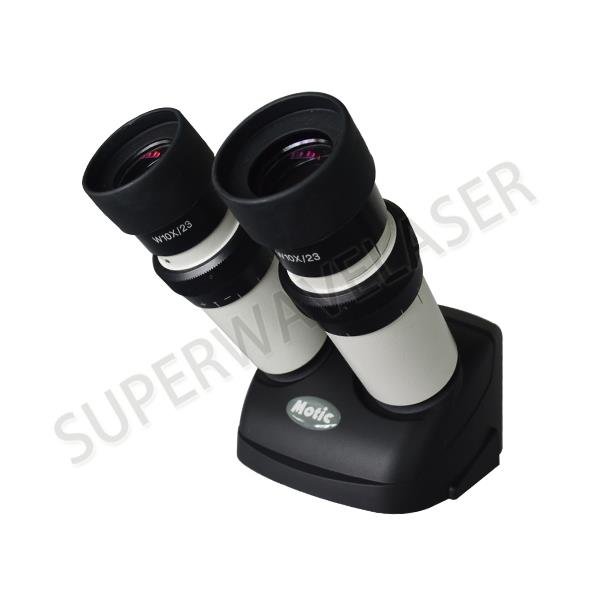
Cleaning the Body and Other Parts
The body of the microscope also needs some TLC. You can use a soft, dry brush to remove dust from the exterior. A paintbrush with fine bristles works great for this. Gently brush along the edges, knobs, and other areas where dust tends to collect.
For stubborn dirt, you can dampen a soft cloth with a mild cleaning solution (like a mixture of water and a little bit of dish soap). Wring out the cloth well so it's only slightly damp, then wipe the body of the microscope. Make sure to avoid getting any liquid into the electrical components or the lenses.
The stage of the microscope, where you place the slides, can get dirty too. Use a clean, dry cloth to wipe it down. If there are any sticky residues, you can use a small amount of rubbing alcohol on a cloth to remove them. Just be careful not to let the alcohol seep into the mechanical parts.
Cleaning the Eyepieces
The eyepieces are what you look through, so they need to be clean for a clear view. You can clean them using the same method as the lenses. First, blow away any loose dust. Then, use a piece of lens paper moistened with lens cleaning solution to gently wipe the eyepiece in a circular motion.
If there are fingerprints on the eyepiece, you may need to be a bit more thorough. Sometimes, a light touch with the lens paper isn't enough. In that case, you can use a cotton swab dipped in lens cleaning solution. Gently rub the swab around the edge of the eyepiece and then in a circular motion on the glass. But be careful not to get any solution inside the eyepiece.
Cleaning the Objectives
The objectives are the lenses closest to the specimen. They're also very important for getting a clear image. To clean the objectives, follow the same steps as for the other lenses. Use lens paper and lens cleaning solution, and be gentle when wiping.
If the objectives are very dirty, you may need to remove them for a more thorough cleaning. However, this should only be done if you're confident in your abilities. If you're not sure, it's best to consult the microscope's manual or contact the manufacturer.
Storage and Maintenance
Once you've cleaned your microscope, it's important to store it properly. Keep it in a dust - free case or cover it with a dust cover when not in use. This helps to prevent dust from accumulating on the lenses and other parts.
Regular maintenance is also key. Check the microscope periodically for any signs of damage or wear. Tighten any loose screws or knobs, and make sure the mechanical parts are moving smoothly.
When to Seek Professional Help
Sometimes, cleaning a microscope can be a bit more complicated than you think. If you notice any significant damage, like a cracked lens or a malfunctioning mechanical part, it's best to seek professional help. A trained technician can diagnose the problem and make the necessary repairs.
Also, if you're not comfortable cleaning the microscope yourself, don't hesitate to take it to a professional cleaning service. They have the tools and expertise to clean the microscope properly without causing any damage.
Conclusion
Cleaning your microscope is an important part of keeping it in good working condition. By following these simple steps, you can ensure that your microscope provides you with clear, accurate images for years to come.
If you're in the market for a new microscope or need replacement parts, we're here to help. As a trusted microscope supplier, we offer a wide range of high - quality microscopes and accessories. Whether you're a professional researcher or a curious hobbyist, we've got the equipment you need. Reach out to us to start a conversation about your procurement needs, and we'll work with you to find the perfect solution for your requirements.
References
- Microscope User Manuals
- Scientific Instrumentation Guides


