

As a battery supplier, I've been in the thick of the battery game for quite some time. One question that keeps popping up is whether a battery management system (BMS) is essential for a battery pack. Well, let's dive right into it and see what the deal is.
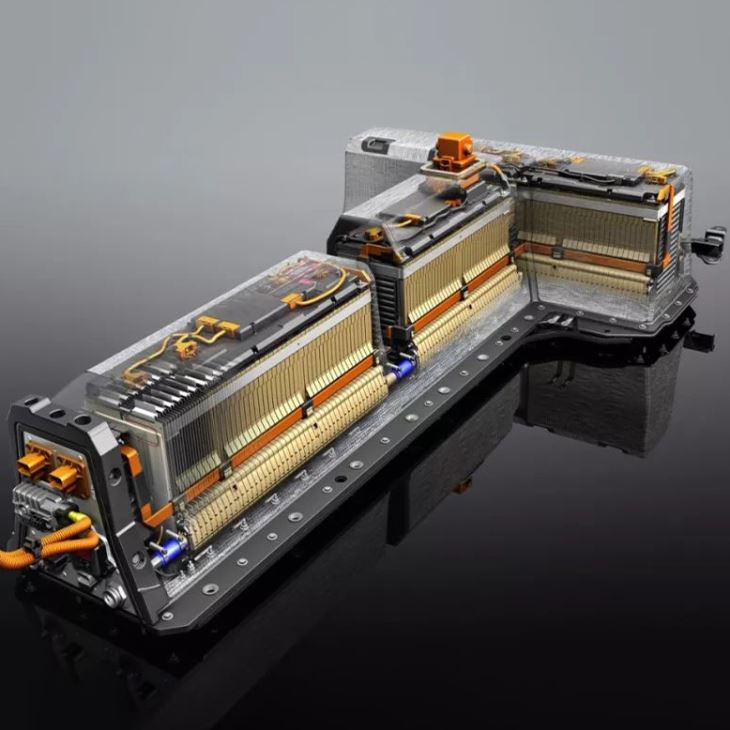

First off, let's talk about what a battery pack is. A battery pack is basically a bunch of individual battery cells connected together to provide a specific voltage and capacity. These packs are used in all sorts of things, from electric vehicles to portable electronics. And while they're pretty nifty, they can also be a bit finicky.
That's where the battery management system comes in. A BMS is like the brain of the battery pack. It's responsible for monitoring and controlling the battery cells to make sure they're operating safely and efficiently. It can do things like balance the charge between cells, prevent overcharging and over-discharging, and even detect and diagnose problems.
So, is a BMS essential? Well, it depends on a few factors. If you're using a small battery pack for a low-power application, like a remote control or a flashlight, you might not need a BMS. These types of applications typically don't require a lot of power, and the risk of overcharging or over-discharging is relatively low.
However, if you're using a large battery pack for a high-power application, like an electric vehicle or a solar energy storage system, a BMS is definitely essential. These types of applications require a lot of power, and the risk of overcharging or over-discharging is much higher. Without a BMS, you could end up damaging the battery cells, reducing their lifespan, or even causing a fire.
Another factor to consider is the type of battery cells you're using. Some battery cells, like lithium-ion batteries, are more sensitive to overcharging and over-discharging than others. These types of batteries require a BMS to ensure their safety and longevity.
So, as a battery supplier, I always recommend using a BMS for any battery pack that's used in a high-power application or that uses sensitive battery cells. It might add a bit to the cost of the battery pack, but it's definitely worth it in the long run.
Now, let's talk about some of the benefits of using a BMS. One of the biggest benefits is improved safety. A BMS can prevent overcharging and over-discharging, which can reduce the risk of fire and other safety hazards. It can also detect and diagnose problems early on, which can help prevent more serious issues from occurring.
Another benefit is improved performance. A BMS can balance the charge between cells, which can help improve the overall performance of the battery pack. It can also extend the lifespan of the battery cells, which can save you money in the long run.
In addition to safety and performance, a BMS can also provide valuable data about the battery pack. It can monitor things like voltage, current, temperature, and state of charge, which can help you optimize the performance of the battery pack and make informed decisions about its use.
So, if you're in the market for a battery pack, I highly recommend considering a BMS. It might add a bit to the cost, but it's definitely worth it in terms of safety, performance, and longevity.
If you're interested in learning more about battery management systems or purchasing a battery pack with a BMS, please don't hesitate to contact us for more information. We're a leading Battery Industry supplier, and we're committed to providing our customers with the highest quality products and services.
References
- Battery Management Systems: Design by Example, by J. David Irwin and Prabhakar Dhople
- Lithium-Ion Batteries: Science and Technologies, by Yoshio Yamamoto and Ryoji Kanno
- Electric Vehicle Battery Management Systems, by Ali Emadi and Davide Di Domenico


