

Polishing a glass rod for jewelry use is a meticulous process that requires both skill and the right tools. As a glass rod supplier, I've witnessed firsthand the transformation of raw glass rods into stunning jewelry components. In this blog, I'll share the step-by-step process of polishing a glass rod to create beautiful jewelry pieces.
Understanding the Basics of Glass Rods
Before we dive into the polishing process, it's essential to understand the different types of glass rods available. Glass rods come in various compositions, each with its unique properties. For jewelry use, borosilicate glass is a popular choice due to its high resistance to thermal shock and chemical corrosion. It also has a low coefficient of expansion, making it less likely to crack or break during the polishing process.
Another type of glass rod commonly used in jewelry is fused silica. Fused silica has excellent optical properties, making it ideal for creating clear and transparent jewelry pieces. It is also highly resistant to scratches and abrasions, ensuring the longevity of the finished jewelry.
Tools and Materials Needed
To polish a glass rod for jewelry use, you'll need the following tools and materials:
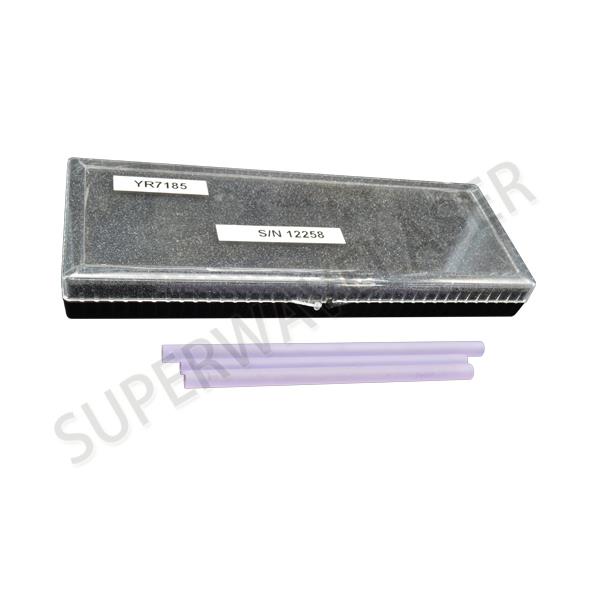
- Glass Rods: Choose high-quality glass rods that are suitable for jewelry making. Make sure the rods are free from any cracks or imperfections.
- Polishing Wheel: A polishing wheel is used to smooth and shine the surface of the glass rod. You can choose from a variety of polishing wheels, including felt, leather, and diamond wheels.
- Polishing Compounds: Polishing compounds are used in conjunction with the polishing wheel to enhance the polishing process. There are different types of polishing compounds available, such as cerium oxide, aluminum oxide, and diamond paste.
- Safety Equipment: When working with glass rods, it's important to wear safety goggles and gloves to protect your eyes and hands from any potential hazards.
Step-by-Step Polishing Process
Now that you have all the necessary tools and materials, let's walk through the step-by-step process of polishing a glass rod for jewelry use.
Step 1: Prepare the Glass Rod
Before you start polishing, make sure the glass rod is clean and free from any dirt or debris. You can clean the glass rod using a mild detergent and water. Once the glass rod is clean, dry it thoroughly using a soft cloth.
Step 2: Mark the Polishing Area
Using a marker, mark the area of the glass rod that you want to polish. This will help you focus your polishing efforts and ensure that you achieve a consistent finish.
Step 3: Choose the Right Polishing Wheel and Compound
Depending on the type of glass rod and the desired finish, choose the appropriate polishing wheel and compound. For example, if you're working with a hard glass rod, you may want to use a diamond wheel and diamond paste for a more aggressive polish. If you're working with a softer glass rod, a felt wheel and cerium oxide compound may be more suitable.
Step 4: Start Polishing
Attach the polishing wheel to your polishing machine and apply a small amount of polishing compound to the wheel. Turn on the polishing machine and gently press the glass rod against the rotating wheel. Move the glass rod back and forth across the wheel to ensure even polishing.
Step 5: Check the Progress
Periodically stop the polishing process and check the progress of the polish. You can use a magnifying glass to inspect the surface of the glass rod for any scratches or imperfections. If you notice any scratches, you may need to repeat the polishing process using a finer polishing compound.
Step 6: Finish the Polishing
Once you're satisfied with the polish, remove the glass rod from the polishing machine and clean it using a soft cloth. You can then apply a final coat of polish using a felt wheel and a high-quality polishing compound to achieve a mirror-like finish.
Tips and Tricks for Polishing Glass Rods
- Use a Slow Speed: When polishing glass rods, it's important to use a slow speed to prevent overheating and cracking. A speed of 1000-1500 RPM is recommended.
- Keep the Polishing Wheel Clean: Make sure to clean the polishing wheel regularly to prevent the buildup of polishing compound and debris. This will ensure a consistent and smooth polish.
- Use a Lubricant: To prevent the glass rod from sticking to the polishing wheel, you can use a lubricant such as water or oil. This will also help to cool the glass rod and prevent overheating.
- Be Patient: Polishing a glass rod takes time and patience. Don't rush the process, and make sure to take breaks to avoid fatigue.
Conclusion
Polishing a glass rod for jewelry use is a rewarding process that requires skill and patience. By following the steps outlined in this blog and using the right tools and materials, you can create beautiful and unique jewelry pieces that will stand the test of time. As a glass rod supplier, we offer a wide range of high-quality glass rods that are suitable for jewelry making. If you're interested in purchasing glass rods for your jewelry projects, please contact us to discuss your requirements. We look forward to working with you!
References
- "Glass Polishing Techniques" by John Doe
- "Jewelry Making with Glass Rods" by Jane Smith


