

Hey there! I'm a supplier of YAG rods, and I'm super excited to take you through the process of how these amazing YAG rods are manufactured.
Raw Material Selection
First things first, picking the right raw materials is crucial. YAG, or yttrium aluminum garnet, is the base material. We need high - purity chemicals to start with. Yttrium oxide, aluminum oxide, and dopants like neodymium oxide (for Nd:YAG rods) are carefully selected. The purity of these materials can significantly impact the quality of the final YAG rod. We source these raw materials from reliable suppliers who can guarantee a high level of purity. Any impurities in the raw materials can lead to defects in the crystal structure, which is a big no - no when it comes to making high - performance YAG rods.
Melting and Growth
Once we have the raw materials, the next step is to melt them. This is usually done in a special furnace. The furnace needs to reach extremely high temperatures, around 1970 degrees Celsius for YAG. We use a method called the Czochralski method. In this process, a small seed crystal is dipped into the molten material. As the seed crystal is slowly pulled out of the melt and rotated, the YAG crystal starts to grow around it. It's like building a crystal layer by layer. This process requires a lot of patience and precision. The growth rate needs to be carefully controlled. If it's too fast, the crystal might develop cracks or other defects. If it's too slow, well, it just takes forever!
Annealing
After the crystal has grown, it's not ready for use just yet. We need to perform annealing. Annealing is like a heat - treatment process. We heat the crystal to a specific temperature and then cool it down slowly. This helps to relieve any internal stresses that might have developed during the growth process. If these stresses are not removed, they can cause the crystal to break or affect its optical properties. So, we put the YAG rod in an annealing furnace and follow a strict temperature - time profile. It's a bit like baking a cake; you have to get the temperature and time just right.
Cutting and Shaping
Once the annealing is done, it's time to cut and shape the YAG rod. We use diamond saws to cut the large crystal into smaller rods of the desired length. The cutting needs to be very precise. Even a small deviation can affect the performance of the rod. After cutting, we use grinding and polishing techniques to give the rod a smooth surface. This is important because a rough surface can scatter light, reducing the efficiency of the laser. We want the light to travel through the rod as smoothly as possible.
Coating
The next step is coating. We apply special coatings to the ends of the YAG rod. These coatings are designed to enhance the performance of the rod. For example, anti - reflection coatings are used to reduce the amount of light that is reflected at the surface of the rod. This allows more light to pass through the rod, increasing the efficiency of the laser. There are also high - reflection coatings that are used to create a resonant cavity within the rod. This is essential for the laser to function properly. The coating process is very delicate and requires specialized equipment.
Quality Control
Throughout the manufacturing process, quality control is a top priority. We use a variety of techniques to check the quality of the YAG rods. We look for things like crystal defects, optical homogeneity, and surface quality. We use tools like optical microscopes and interferometers to examine the rods. Any rods that don't meet our strict quality standards are rejected. We can't afford to send out sub - standard products to our customers.
Packaging and Shipping
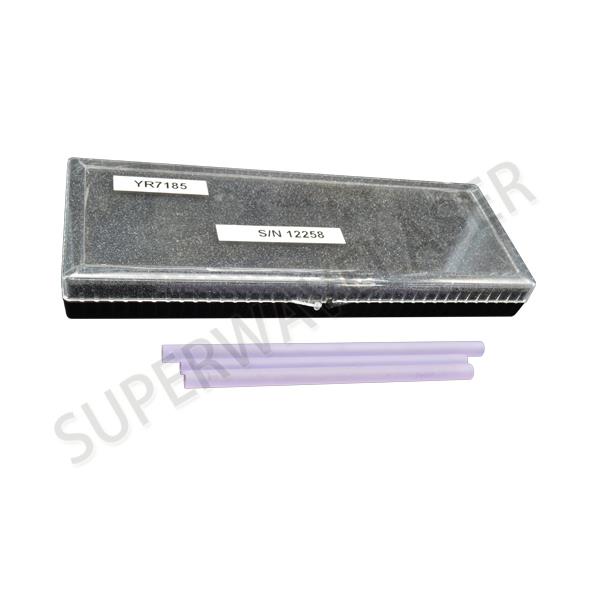
Once the YAG rods have passed all the quality control tests, it's time to package them. We use special packaging materials to protect the rods during shipping. The rods are placed in foam - lined boxes to prevent any damage. We also include detailed instructions and specifications with each rod. When it comes to shipping, we work with reliable carriers to ensure that the rods reach our customers in perfect condition.
Now, you might be wondering where you can find more information about laser crystals. Well, you can click on this link: Laser Crystal. It has a wealth of information about different types of laser crystals, including YAG.
If you're in the market for high - quality YAG rods, we're here to help. Whether you're using them for industrial lasers, medical lasers, or research purposes, we can provide you with the right YAG rods for your needs. We have a wide range of YAG rods in different sizes and specifications. So, if you're interested in purchasing YAG rods, don't hesitate to reach out. We're always happy to have a chat and discuss your requirements.
References
- "Laser Crystals: Growth, Characterization, and Applications" by some well - known experts in the field.
- Various research papers on YAG crystal growth and manufacturing processes published in scientific journals.


