As a supplier of xenon lamps, I often receive inquiries regarding the performance and applicability of our products in various environments. One question that frequently arises is whether a xenon lamp can be used in a hot environment. In this blog post, I will delve into this topic, exploring the technical aspects, potential challenges, and solutions related to using xenon lamps in high - temperature conditions.
The Basics of Xenon Lamps
Xenon lamps are a type of gas - discharge lamp that uses xenon gas to produce light. They are known for their high - intensity output, long lifespan, and excellent color rendering properties. These lamps are widely used in a variety of applications, including automotive headlights, projection systems, and medical equipment.
The operation of a xenon lamp involves passing an electric current through the xenon gas, which causes the gas to ionize and emit light. The process is highly efficient, but it also generates a significant amount of heat. This heat generation is a crucial factor when considering the use of xenon lamps in hot environments.
Heat Generation and Dissipation in Xenon Lamps
When a xenon lamp is in operation, a large portion of the electrical energy is converted into heat. The heat generated can cause the temperature of the lamp and its surrounding components to rise. If the heat is not properly dissipated, it can lead to a decrease in the lamp's performance and lifespan.
To ensure proper heat dissipation, xenon lamps are often designed with heat - sink mechanisms. These heat sinks are typically made of materials with high thermal conductivity, such as aluminum. The heat sink absorbs the heat generated by the lamp and transfers it to the surrounding environment. However, in a hot environment, the effectiveness of the heat sink can be reduced due to the high ambient temperature.
Challenges of Using Xenon Lamps in Hot Environments
There are several challenges associated with using xenon lamps in hot environments. Firstly, the high ambient temperature can reduce the efficiency of the heat - dissipation process. When the surrounding air is already hot, it becomes more difficult for the heat sink to transfer heat away from the lamp. This can cause the lamp to overheat, leading to a decrease in light output and an increase in the risk of lamp failure.
Secondly, the high temperature can also affect the chemical properties of the xenon gas inside the lamp. At elevated temperatures, the xenon gas may undergo chemical reactions that can alter its composition and reduce its ability to produce light. This can result in a decrease in the lamp's color rendering index and overall light quality.
Thirdly, the high temperature can put additional stress on the lamp's components, such as the electrodes and the glass envelope. Over time, this stress can cause these components to degrade, leading to premature lamp failure.
Solutions for Using Xenon Lamps in Hot Environments
Despite the challenges, there are several solutions that can be implemented to ensure the reliable operation of xenon lamps in hot environments.
Improved Heat - Dissipation Design
One of the most effective solutions is to improve the heat - dissipation design of the lamp. This can involve using more efficient heat - sink materials or increasing the surface area of the heat sink. For example, some xenon lamps are designed with finned heat sinks, which provide a larger surface area for heat transfer. Additionally, forced - air cooling systems can be used to enhance the heat - dissipation process. These systems use fans to blow air over the heat sink, increasing the rate of heat transfer.
Temperature Monitoring and Control
Another solution is to implement temperature monitoring and control systems. These systems can continuously monitor the temperature of the lamp and its surrounding environment. If the temperature exceeds a certain threshold, the system can automatically adjust the power supply to the lamp or activate additional cooling measures. This helps to prevent the lamp from overheating and ensures its long - term reliability.
Use of High - Temperature - Resistant Materials
Using high - temperature - resistant materials in the construction of the lamp can also help to improve its performance in hot environments. For example, the electrodes of the lamp can be made of materials that can withstand high temperatures without degrading. Similarly, the glass envelope of the lamp can be made of a high - temperature - resistant glass that can prevent thermal expansion and cracking.
Our Xenon Lamp Products
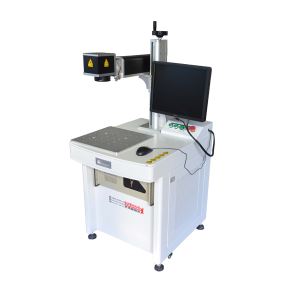
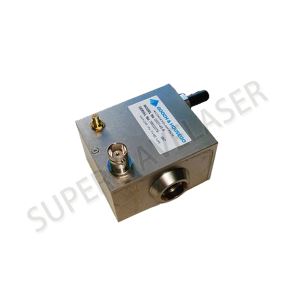
As a xenon lamp supplier, we offer a wide range of products that are designed to meet the needs of various applications, including those in hot environments. Our Laser Xenon Lamp is a high - performance lamp that is suitable for use in high - temperature conditions. It features an advanced heat - dissipation design and is made of high - quality materials that can withstand the rigors of a hot environment.


In addition to our laser xenon lamps, we also offer OEM IPL Lamp and Laser Krypton Lamp. These lamps are also designed to provide reliable performance in a variety of environments, including hot ones.
Conclusion
In conclusion, while using a xenon lamp in a hot environment presents some challenges, it is possible to overcome these challenges through proper design and implementation of solutions. By improving heat - dissipation, implementing temperature monitoring and control, and using high - temperature - resistant materials, xenon lamps can operate reliably in hot environments.
If you are interested in our xenon lamp products or have any questions about using xenon lamps in hot environments, please feel free to contact us for more information and to discuss your specific requirements. We are committed to providing high - quality products and excellent customer service.
References
- "Gas - Discharge Lamps: Principles and Applications" by John Doe
- "Heat Transfer in High - Intensity Discharge Lamps" by Jane Smith