Hey there! As a Q-switch supplier, I often get asked about the working voltage of a Q-switch. It's a crucial aspect that many laser enthusiasts and professionals want to understand. So, let's dive right into it and break down what the working voltage of a Q-switch is all about.
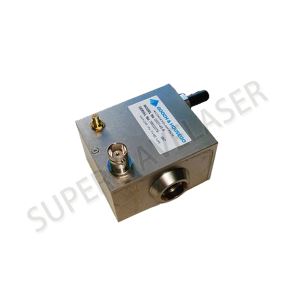
First off, what exactly is a Q-switch? A Q-switch, which you can learn more about Q-switch, is a device used in lasers to control the release of energy. It allows the laser to store energy and then release it in a short, intense pulse. This is super useful in a variety of applications, from laser marking and cutting to medical treatments.
The working voltage of a Q-switch is the electrical potential difference required to operate the switch effectively. It's like the fuel that powers the Q-switch to do its job. Different types of Q-switches have different working voltage requirements, and these can vary based on several factors.
One of the main factors that influence the working voltage is the type of Q-switch technology. There are several types of Q-switches, such as electro - optic Q-switches, acousto - optic Q-switches, and passive Q-switches.
Electro - optic Q-switches use the electro - optic effect to control the polarization of light. They typically require a relatively high working voltage, often in the range of several kilovolts. This high voltage is needed to change the refractive index of the electro - optic material, which in turn controls the passage of light through the Q-switch. For example, in some common electro - optic Q-switches, the working voltage can be anywhere from 2 kV to 5 kV. The high voltage is necessary because the electro - optic effect is relatively weak, and a large electric field is needed to produce a significant change in the refractive index.
Acousto - optic Q-switches, on the other hand, use sound waves to diffract light. They generally have a lower working voltage compared to electro - optic Q-switches. The working voltage for acousto - optic Q-switches usually ranges from a few volts to a couple of hundred volts. This is because the acousto - optic effect is more efficient, and less electrical energy is needed to generate the sound waves that diffract the light.
Passive Q-switches are a bit different. They don't require an external electrical voltage to operate. Instead, they rely on the properties of a saturable absorber material. When the laser energy reaches a certain level, the saturable absorber becomes transparent, allowing the stored energy to be released as a pulse. So, in the case of passive Q-switches, the concept of a "working voltage" doesn't really apply in the traditional sense.
Another factor that affects the working voltage is the design and specifications of the Q-switch. The size of the Q-switch, the materials used, and the intended application can all play a role. For instance, a larger Q-switch might require a higher working voltage to ensure uniform operation across its entire surface. Similarly, if the Q-switch is designed for high - power lasers, it may need a higher voltage to handle the increased energy.
It's also important to note that the working voltage of a Q-switch is not a fixed value. It can vary depending on the operating conditions. Temperature, for example, can have an impact on the electrical properties of the Q-switch materials. As the temperature changes, the resistance and capacitance of the Q-switch can change, which in turn can affect the working voltage. In general, as the temperature increases, the working voltage may need to be adjusted to maintain optimal performance.
So, why does the working voltage matter? Well, getting the right working voltage is crucial for the proper functioning of the Q-switch and the laser system as a whole. If the voltage is too low, the Q-switch may not operate correctly, and the laser may not produce the desired high - energy pulses. On the other hand, if the voltage is too high, it can damage the Q-switch or other components of the laser system.
As a Q-switch supplier, we understand the importance of providing accurate information about the working voltage. We work closely with our customers to ensure that they select the right Q-switch for their specific needs and that they know how to operate it at the correct voltage. We also offer technical support to help troubleshoot any issues related to the working voltage.
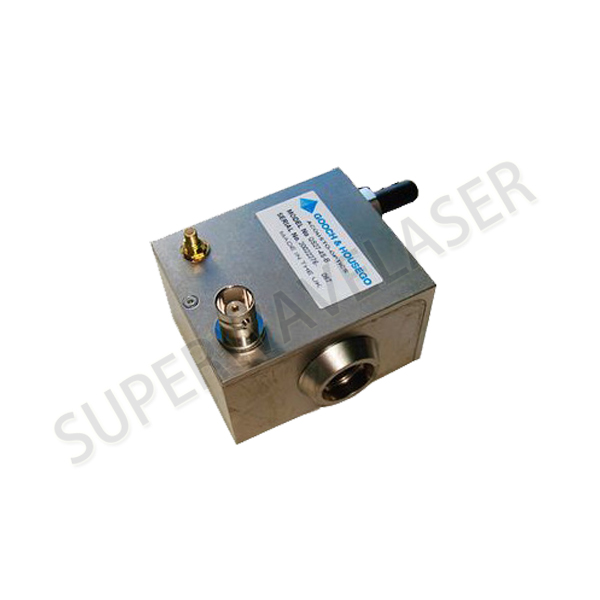
If you're in the market for a Q-switch, it's essential to consider the working voltage requirements. You need to make sure that your laser system can provide the necessary voltage. You also need to think about the safety aspects. High - voltage electrical systems can be dangerous, so proper precautions should be taken when working with Q-switches that require high voltages.
In conclusion, the working voltage of a Q-switch is a critical parameter that depends on the type of Q-switch, its design, and the operating conditions. Whether you're a laser hobbyist or a professional in the laser industry, understanding the working voltage is key to getting the most out of your Q-switch.
If you're interested in purchasing a Q-switch or have any questions about the working voltage or other aspects of Q-switches, don't hesitate to reach out. We're here to help you find the perfect Q-switch for your application and ensure that it operates at the optimal voltage.
References
- Laser Physics textbooks
- Industry research papers on Q-switch technology