
What is the potential of UV Laser in DNA sequencing?
In the rapidly evolving field of biotechnology, DNA sequencing has emerged as a cornerstone technology, revolutionizing our understanding of genetics, disease diagnosis, and personalized medicine. As a leading UV laser supplier, we are constantly exploring the potential applications of our technology in this critical area. In this blog, we will delve into the unique capabilities of UV lasers and how they can enhance DNA sequencing processes.
Understanding DNA Sequencing
DNA sequencing is the process of determining the precise order of nucleotides within a DNA molecule. It provides valuable insights into the genetic makeup of organisms, enabling researchers to identify genetic variations, study gene function, and develop targeted therapies. Traditional DNA sequencing methods, such as Sanger sequencing, have been widely used for decades, but they are often time - consuming and expensive. Next - generation sequencing (NGS) technologies have significantly increased the speed and throughput of DNA sequencing, but further improvements are still needed to meet the growing demand for more accurate and cost - effective sequencing.
The Role of UV Lasers in DNA Sequencing
High - Precision Excitation
UV lasers offer several advantages in DNA sequencing due to their unique spectral properties. DNA absorbs UV light at specific wavelengths, typically around 260 nm. UV lasers can be precisely tuned to these wavelengths, allowing for highly specific excitation of DNA molecules. This high - precision excitation is crucial for accurate detection of fluorescently labeled nucleotides during the sequencing process. When a DNA polymerase incorporates a fluorescently labeled nucleotide into a growing DNA strand, the UV laser can excite the fluorophore, causing it to emit light at a characteristic wavelength. This emitted light can then be detected and used to determine the identity of the nucleotide.
Photochemical Reactions
UV lasers can also initiate photochemical reactions in DNA. For example, they can be used to cleave specific chemical bonds in DNA molecules. This property is particularly useful in certain sequencing techniques, such as pyrosequencing. In pyrosequencing, the addition of a nucleotide to a growing DNA strand releases a pyrophosphate molecule. The UV laser can be used to trigger a series of photochemical reactions that convert the pyrophosphate into a detectable signal, allowing for real - time monitoring of nucleotide incorporation.
Surface Modification
Another potential application of UV lasers in DNA sequencing is surface modification. DNA sequencing often involves immobilizing DNA molecules on a solid surface, such as a glass slide or a microarray. UV lasers can be used to modify the surface properties of these substrates, improving the attachment of DNA molecules and enhancing the efficiency of the sequencing process. For example, UV laser treatment can create reactive groups on the surface, which can covalently bind to DNA molecules, ensuring their stable immobilization.
Advantages of UV Lasers in DNA Sequencing
High Sensitivity
UV lasers can provide high - sensitivity detection in DNA sequencing. The specific absorption of UV light by DNA allows for the detection of even small amounts of DNA. This is particularly important in applications where the amount of available DNA is limited, such as in single - cell sequencing. With high - sensitivity detection, researchers can obtain accurate sequencing data from a small number of cells, opening up new possibilities for studying rare cell populations and understanding cellular heterogeneity.

Low Background Noise
The use of UV lasers can also reduce background noise in DNA sequencing. Since DNA has a well - defined absorption spectrum in the UV range, the laser can be tuned to minimize the excitation of other molecules present in the sample. This results in a cleaner signal and more accurate sequencing data. In contrast, some other light sources may cause non - specific excitation of contaminants or other biomolecules, leading to increased background noise and reduced sequencing accuracy.
Compatibility with NGS Platforms
UV lasers are highly compatible with next - generation sequencing platforms. They can be easily integrated into existing NGS instruments, allowing for seamless incorporation into the sequencing workflow. This compatibility enables researchers to take advantage of the latest NGS technologies while benefiting from the unique properties of UV lasers.
Real - World Applications
Cancer Genomics
In cancer genomics, DNA sequencing plays a crucial role in understanding the genetic basis of cancer. UV lasers can be used to sequence the genomes of cancer cells with high precision, allowing for the identification of specific genetic mutations that drive tumor growth. This information can be used to develop personalized cancer therapies tailored to the genetic profile of each patient. For example, by sequencing the DNA of a tumor sample using UV - laser - assisted techniques, doctors can identify mutations in specific genes and select the most appropriate targeted therapies.
Infectious Disease Diagnosis
UV lasers can also be used in the diagnosis of infectious diseases. By sequencing the DNA of pathogens, such as bacteria and viruses, researchers can quickly identify the causative agent and determine its genetic characteristics. This information is essential for developing effective treatment strategies and preventing the spread of infectious diseases. For instance, in the case of a new emerging virus, UV - laser - based DNA sequencing can be used to rapidly sequence the viral genome, providing valuable information for vaccine development and disease control.
Our UV Laser Products for DNA Sequencing
As a UV laser supplier, we offer a range of high - quality UV lasers specifically designed for DNA sequencing applications. Our lasers are known for their high stability, precision, and reliability. They are available in different wavelengths and power levels to meet the diverse needs of DNA sequencing laboratories.
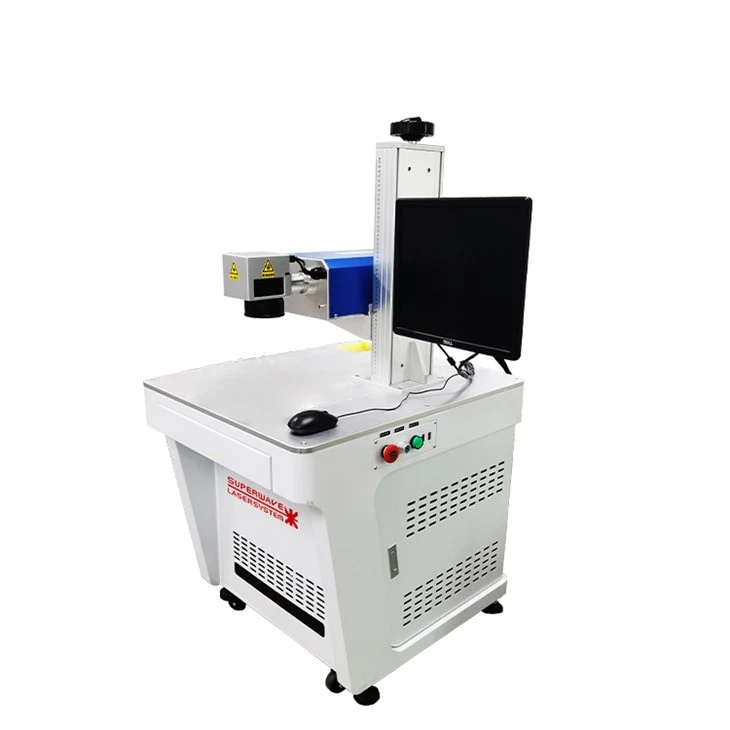
We also provide UV Laser Marking&Engraving Machine and Enclosed UV Laser Marking&Engraving Machine which can be used in related research and development processes. These machines offer precise marking and engraving capabilities, which can be useful for sample identification and tracking in DNA sequencing experiments.
Contact Us for Purchase and Consultation
If you are interested in exploring the potential of UV lasers in your DNA sequencing projects, we invite you to contact us. Our team of experts is ready to provide you with detailed information about our products and how they can be integrated into your sequencing workflow. We can also offer customized solutions based on your specific requirements. Whether you are a research institution, a biotechnology company, or a diagnostic laboratory, we are committed to helping you achieve your DNA sequencing goals.
References
- Metzker, M. L. (2010). Sequencing technologies - the next generation. Nature Reviews Genetics, 11(1), 31 - 46.
- Goodwin, S., McPherson, J. D., & McCombie, W. R. (2016). Coming of age: ten years of next - generation sequencing technologies. Nature Reviews Genetics, 17(6), 333 - 351.
- Mardis, E. R. (2011). A decade's perspective on DNA sequencing technology. Nature, 470(7333), 198 - 203.